CONTACT US


Are you satisfied with our services?
Leave us a review
Quisque vel vestibulum sem, et facilisis ex. Nulla nulla mi.
Write a review

CONTACT US

Successful weight management involves more than short-term dieting or temporary lifestyle changes. Sustainable results often require a personalised approach that takes into account an individual’s health status, lifestyle habits, medical history and weight-related goals.
At A1 Medical, weight management focuses on helping patients achieve and maintain a healthier weight through practical, evidence-based strategies tailored to their individual needs.
Weight management refers to the process of achieving and maintaining a healthy body weight through a combination of lifestyle, behavioural and medical approaches. Rather than focusing solely on weight loss, weight management aims to support long-term health by promoting sustainable habits that can be maintained over time.
Unlike short-term diets that often involve restrictive eating patterns or rapid weight loss, effective weight management focuses on gradual and realistic changes to nutrition, physical activity and daily routines. These strategies help individuals develop healthier habits while reducing the likelihood of regaining lost weight.
Depending on an individual’s needs, weight management may involve dietary guidance, physical activity recommendations, behavioural support and medical assessment to identify factors that may be contributing to weight gain or difficulty losing weight.
Maintaining a healthy weight offers benefits that extend beyond appearance. Achieving and sustaining a healthy weight can improve overall wellbeing and reduce the risk of a range of weight-related health conditions.
Weight gain is often influenced by multiple factors instead of a single defining cause. Understanding these contributing factors can help guide a more effective and sustainable weight management plan.

Many people are able to make progress through independent lifestyle changes. However, medical support may be beneficial when weight management becomes particularly challenging or when excess weight is affecting overall health.
You may wish to seek medical advice if:
A medical assessment can help identify potential contributing factors and provide guidance on appropriate weight management strategies.

Weight assessment involves more than simply measuring body weight. A comprehensive evaluation helps identify health risks and supports the development of an individualised management plan.
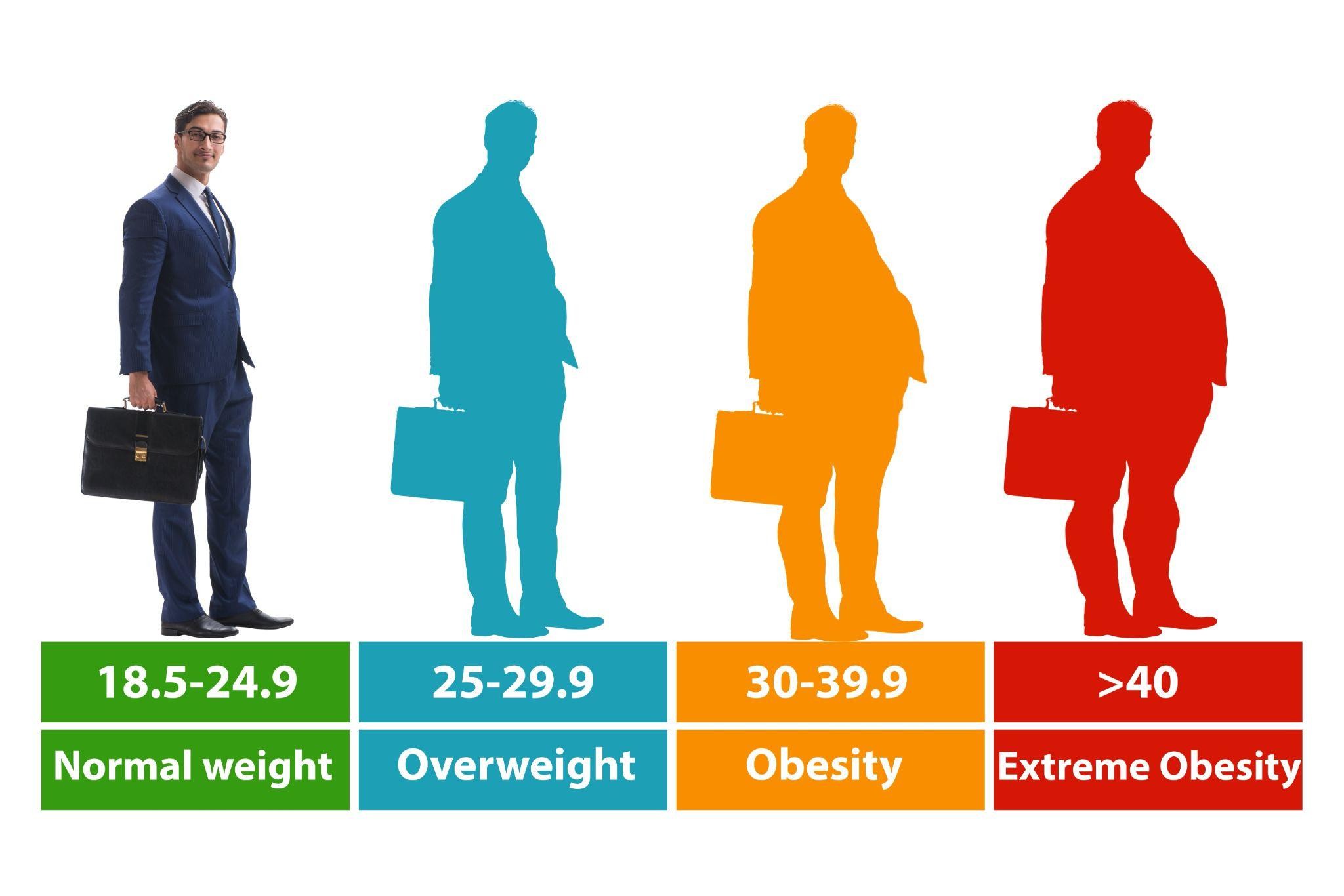
Effective weight management requires more than a generic diet plan. As every individual has different health needs, lifestyle habits and weight-related challenges, management plans should be personalised and tailored to individual goals.
A medical weight management programme takes a comprehensive approach that focuses on achieving sustainable weight loss while supporting overall health and wellbeing.
The first step is a thorough assessment to understand factors that may be affecting body weight and overall health. This may include evaluating:
This assessment helps identify potential barriers to weight loss and guides the development of an appropriate management plan.
Dietary habits play a central role in weight management. Rather than focusing on restrictive diets, guidance is aimed at developing sustainable eating habits that can be maintained long term.
This may include:
Regular physical activity supports weight management and overall health. Recommendations are tailored according to an individual's fitness level, medical conditions and personal preferences.
This may involve:
Long-term success often depends on addressing lifestyle and behavioural factors that influence weight. This may include support relating to:
Weight management is an ongoing process that requires regular review and adjustment. Follow-up appointments help track progress, address challenges and ensure the management plan remains appropriate over time.
This may include:

For some individuals, weight loss medications may be considered as part of a comprehensive weight management programme. These medications are not intended to replace healthy eating and regular physical activity but may provide additional support when lifestyle measures alone have not been sufficient.
Suitability for weight loss medication depends on several factors, including body mass index (BMI), existing medical conditions, weight-related health risks and overall treatment goals. A medical assessment is required to determine whether medication is appropriate and safe for an individual patient.
Weight loss medications are most effective when used alongside lifestyle modifications and ongoing medical supervision.
Weight management outcomes vary from person to person and depend on factors such as starting weight, lifestyle habits, medical conditions and adherence to the management plan. Rather than focusing on rapid weight loss, the goal is to achieve gradual and sustainable improvements that support long-term health.
Potential benefits may include:
Setting realistic expectations and focusing on sustainable progress can help support lasting results.
Weight maintenance can be challenging, and many individuals experience periods of weight regain after initial weight loss. While no approach can completely eliminate this risk, adopting sustainable habits can help support long-term success.
Strategies that may help reduce the likelihood of weight regain include:
Weight management is a long-term approach to improving overall health and reducing the risk of obesity-related complications. Achieving and maintaining a healthy weight often requires a personalised strategy that addresses nutrition, physical activity, lifestyle habits and underlying health factors.
Through medical assessment, lifestyle guidance and ongoing support, doctor-guided weight management can help individuals achieve realistic, sustainable outcomes while supporting long-term wellbeing.
If you are struggling to lose weight or would like professional guidance on achieving a healthier weight, schedule a consultation with A1 Medical to discuss a personalised weight management plan.
Weight management refers to maintaining a healthy body weight through a combination of nutrition, physical activity, lifestyle modifications and, when appropriate, medical support.
No. Weight management can benefit anyone who wishes to improve their overall health, prevent weight-related medical conditions or maintain a healthy weight.
Many factors can influence weight loss, including dietary habits, physical activity levels, sleep quality, stress, medications, hormonal conditions and genetics. A medical assessment may help identify contributing factors.
A healthy weight is assessed using various factors, including Body Mass Index (BMI), waist circumference, overall health status and individual risk factors.
A doctor will review your medical history, weight history, lifestyle habits, current health status and weight-related goals before recommending a personalised management plan.
Yes. Certain medical conditions, including hormonal and metabolic disorders, can contribute to weight gain or make weight loss more challenging.
Maintaining a healthy weight may help improve blood sugar control, blood pressure levels and other cardiovascular risk factors, particularly when combined with healthy lifestyle changes.
Weight-loss goals should be realistic and individualised. Even modest weight loss can provide meaningful health benefits for many people.
Rapid weight loss is often difficult to sustain and may not support long-term health goals. Gradual, sustainable weight loss is generally preferred for long-term success.
Physical activity is an important component of weight management, but exercise is usually most effective when combined with appropriate dietary and lifestyle changes.
Yes. Poor sleep can affect hormones involved in appetite regulation, increase cravings and make weight management more difficult.
Stress may influence eating behaviours, food choices and physical activity levels, all of which can affect body weight.
No. Weight loss medications are not appropriate for all individuals. A doctor will assess factors such as BMI, medical history and health risks before determining whether medication is suitable.
Results vary between individuals depending on factors such as starting weight, lifestyle habits and adherence to the management plan. Sustainable weight loss is typically achieved gradually over time.
Long-term success is often supported by sustainable eating habits, regular physical activity, ongoing self-monitoring and continued lifestyle changes that can be maintained over time.