CONTACT US


Are you satisfied with our services?
Leave us a review
Quisque vel vestibulum sem, et facilisis ex. Nulla nulla mi.
Write a review

CONTACT US
Vaccination offers a proactive way to reduce the risk of severe RSV-related complications, especially for those who are more vulnerable. By strengthening the body’s immune response before exposure occurs, the RSV vaccine supports respiratory health and helps lower the likelihood of serious illness during peak viral seasons.
Respiratory Syncytial Virus (RSV) is a common virus that infects the respiratory tract, including the nose, throat and lungs. It spreads easily from person to person through respiratory droplets produced when an infected individual coughs or sneezes. The virus can also be transmitted through close contact, such as touching contaminated surfaces and then touching the face.
In many healthy adults, RSV causes mild, cold-like symptoms that resolve on their own. However, in older adults, infants and individuals with underlying health conditions, RSV can progress to more serious lower respiratory infections, including bronchitis and pneumonia.
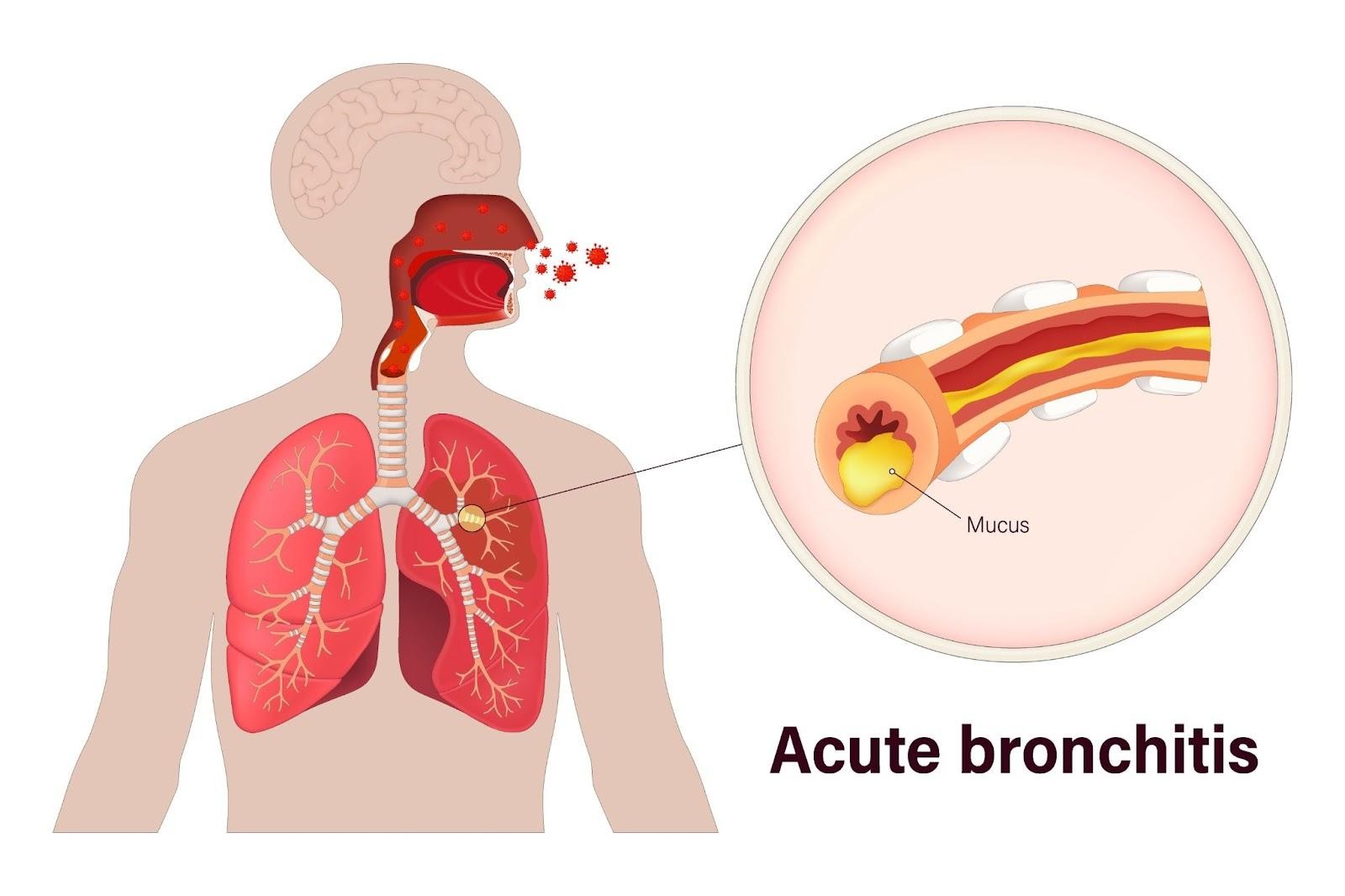
RSV symptoms can range from mild upper respiratory illness to more serious lower respiratory infections, depending on age and overall health. In healthy adults, the infection often resembles a common cold. In higher-risk individuals, symptoms may become more severe and involve the lungs.
Medical attention should be sought if breathing becomes difficult, symptoms worsen or recovery is prolonged.

While RSV often causes mild illness in healthy adults, certain groups are more vulnerable to developing severe respiratory complications.
For these groups, preventive measures such as vaccination can play an important role in reducing the risk of serious infection.
The RSV vaccine is a preventive vaccine designed to help protect against serious illness caused by Respiratory Syncytial Virus. It works by preparing the immune system to recognise and respond to the virus before infection occurs. The vaccine does not treat an existing RSV infection, but it helps reduce the risk of severe respiratory complications, particularly in individuals who are more vulnerable to serious illness.
The RSV vaccine works by training the immune system to recognise key parts of the virus before exposure occurs. After vaccination, the body produces protective antibodies that can quickly identify and respond to RSV if infection happens in the future. This early immune response helps reduce the severity of illness and lowers the risk of serious complications affecting the lungs and airways.
RSV vaccination may be recommended for individuals who are at higher risk of developing serious respiratory complications if infected. Age, underlying health conditions and immune status can increase vulnerability to severe illness.
Clinical studies have shown that RSV vaccines are effective in reducing the risk of severe lower respiratory tract disease caused by RSV, particularly in older adults. Vaccination helps lower the likelihood of complications such as pneumonia and hospitalisation. While no vaccine provides complete protection against infection, RSV vaccination significantly reduces the risk of serious illness in higher-risk groups.
Current evidence suggests that the RSV vaccine provides protection through at least one RSV season, with ongoing studies evaluating longer-term immunity. The duration of protection may vary depending on individual health factors. A doctor can advise on current recommendations and whether additional doses may be needed in the future.
Side effects are generally mild and temporary, occurring as part of the body’s normal immune response to the vaccine.
Medical advice should be sought if symptoms persist, worsen or if any unusual reactions occur after vaccination.
The RSV vaccine may not be suitable for everyone. Certain medical conditions or circumstances may require postponement or further assessment before vaccination.
A medical consultation helps determine whether RSV vaccination is appropriate and ensures it is administered safely.
RSV vaccination may be recommended during pregnancy to help protect newborns from severe RSV infection in the first months of life. The vaccine is typically offered during the third trimester, usually from around 28 weeks of pregnancy. Receiving the vaccine during this period allows protective antibodies to pass to the baby before birth.
Vaccination can still be given later in pregnancy if needed, depending on individual circumstances and clinical advice. Pregnant individuals who have not yet been offered the RSV vaccine should speak with their obstetrician to discuss suitability and timing.
The RSV vaccine may be administered alongside other routine vaccines, including the influenza, COVID-19 or pneumococcal vaccines, depending on individual health status and clinical guidance. In some cases, vaccines can be given during the same visit, while in others they may be spaced apart. A doctor will assess timing and suitability to ensure vaccination is carried out safely and effectively.
RSV vaccination is carried out during a clinic visit under medical supervision to ensure safety and suitability. The process is straightforward and typically completed within a short appointment.
Most individuals can resume their usual activities shortly after the appointment unless otherwise advised by the doctor.
Preparing for your RSV vaccination helps ensure the process is smooth, safe and appropriate for your health needs. No special preparation is required, but a few simple steps can make your visit more comfortable and efficient.
A consultation allows the doctor to address any concerns and ensure RSV vaccination is given safely and appropriately.
RSV is a common respiratory virus that can cause mild cold-like symptoms in healthy individuals but may lead to serious lower respiratory complications in older adults, pregnant individuals and those with underlying medical conditions. RSV vaccination offers a preventive approach to reduce the risk of severe illness, hospitalisation and complications, particularly in higher-risk groups. Medical assessment helps determine suitability and ensures vaccination is given safely and at the appropriate time.
If you would like to find out whether RSV vaccination is suitable for you, schedule a consultation with A1 Medical to receive personalised advice and discuss your vaccination options.
RSV vaccination may be recommended for older adults, pregnant individuals and those with certain medical conditions, based on current clinical guidance. A doctor can advise whether it is appropriate for you.
Yes. RSV vaccination helps reduce the risk of severe lower respiratory illness and related complications in older adults.
Yes. While the RSV vaccine reduces the risk of severe lower respiratory illness, it does not completely prevent all infections. Vaccination primarily lowers the likelihood of serious complications.
RSV and influenza are caused by different viruses. Both can cause respiratory symptoms, but RSV may pose a higher risk of severe lower respiratory disease in certain groups, particularly older adults and infants.
Previous infection does not guarantee long-term immunity. Vaccination may still be recommended to reduce the risk of severe illness in future seasons.
Vaccination is generally recommended before the peak RSV season to ensure protection during periods of higher virus circulation.
Yes. Vaccination during the recommended stage of pregnancy helps transfer protective antibodies to the baby, reducing the risk of severe RSV infection in early infancy.
Mild illness without fever usually does not prevent vaccination, but individuals with significant fever or acute illness may be advised to postpone. A doctor can assess suitability.
Many individuals with chronic medical conditions may benefit from RSV vaccination. A doctor will assess your health status and advise accordingly.