CONTACT US


Are you satisfied with our services?
Leave us a review
Quisque vel vestibulum sem, et facilisis ex. Nulla nulla mi.
Write a review

CONTACT US
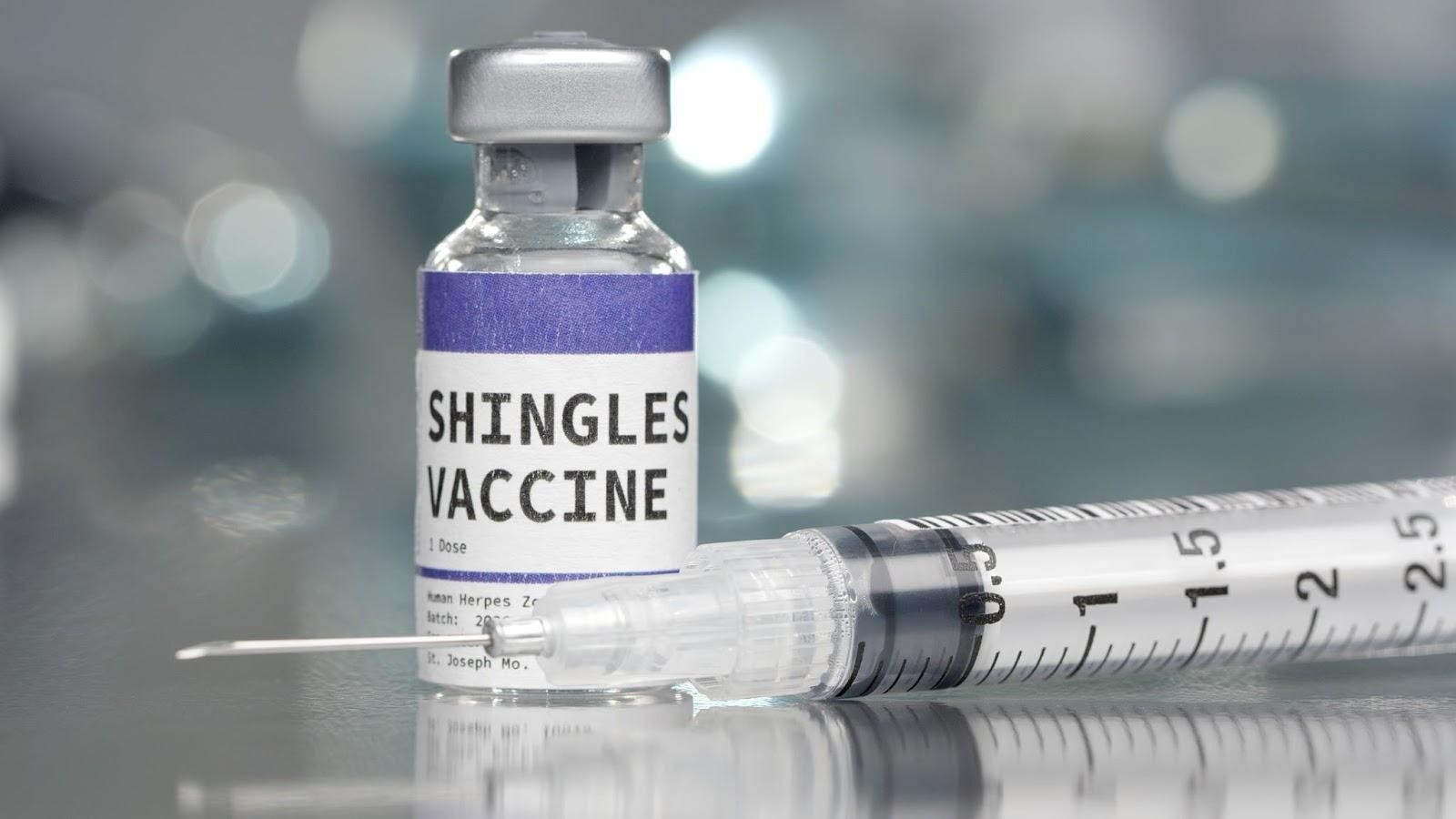
As the risk of shingles increases with age, prevention becomes an important consideration. Vaccination offers a way to reduce the likelihood of developing shingles and its complications, especially the long-term nerve pain that can follow infection. By strengthening immune protection before reactivation occurs, the shingles vaccine supports healthier ageing and helps lower the risk of avoidable discomfort and complications.
Shingles, also known as herpes zoster, is caused by reactivation of the varicella-zoster virus, the same virus that causes chickenpox. After a person recovers from chickenpox, the virus does not leave the body. Instead, it remains dormant in nerve tissue and may reactivate years later, particularly when immunity declines with age or due to medical conditions. When reactivation occurs, it travels along the nerves and causes the characteristic pain and rash associated with shingles.
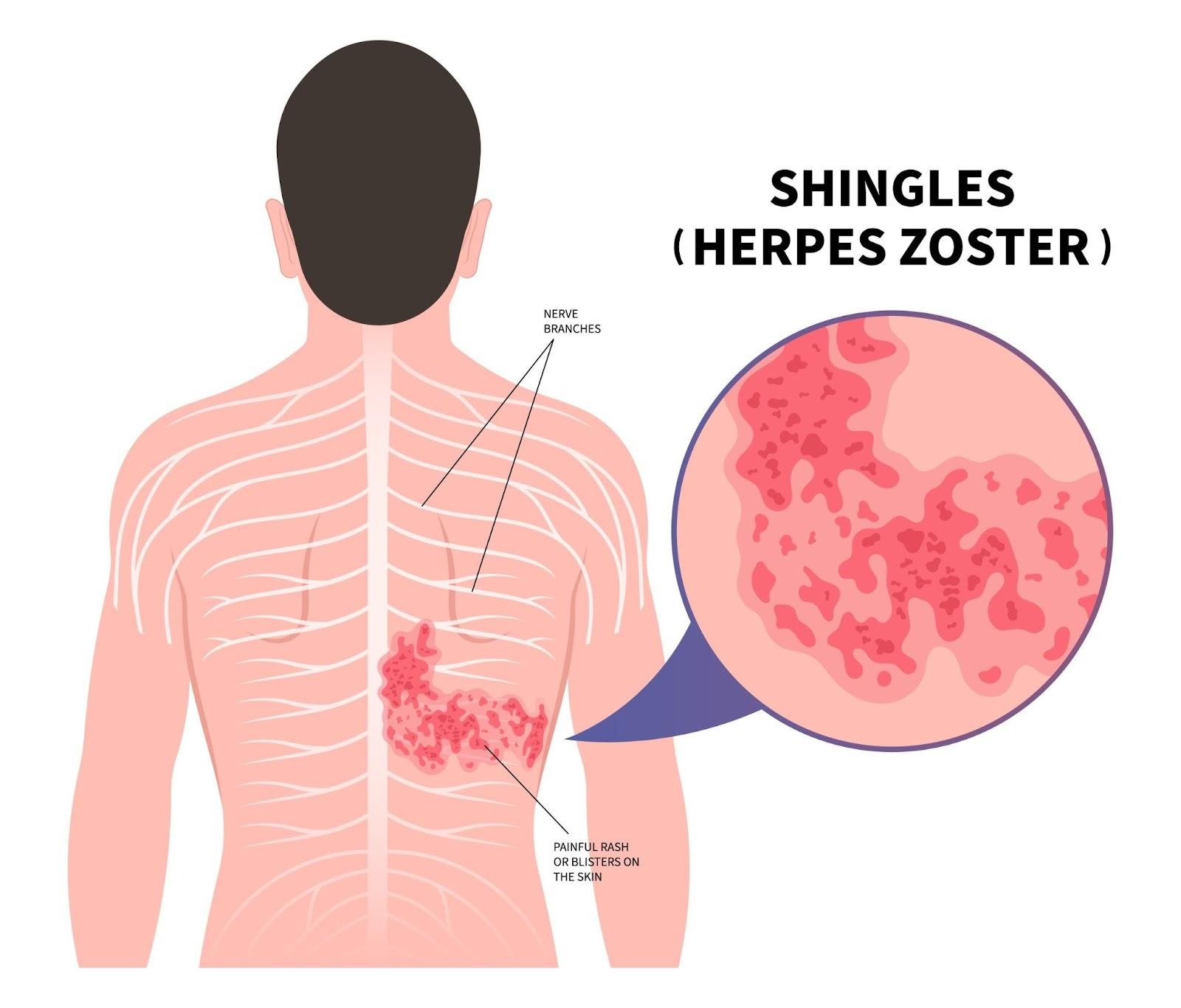
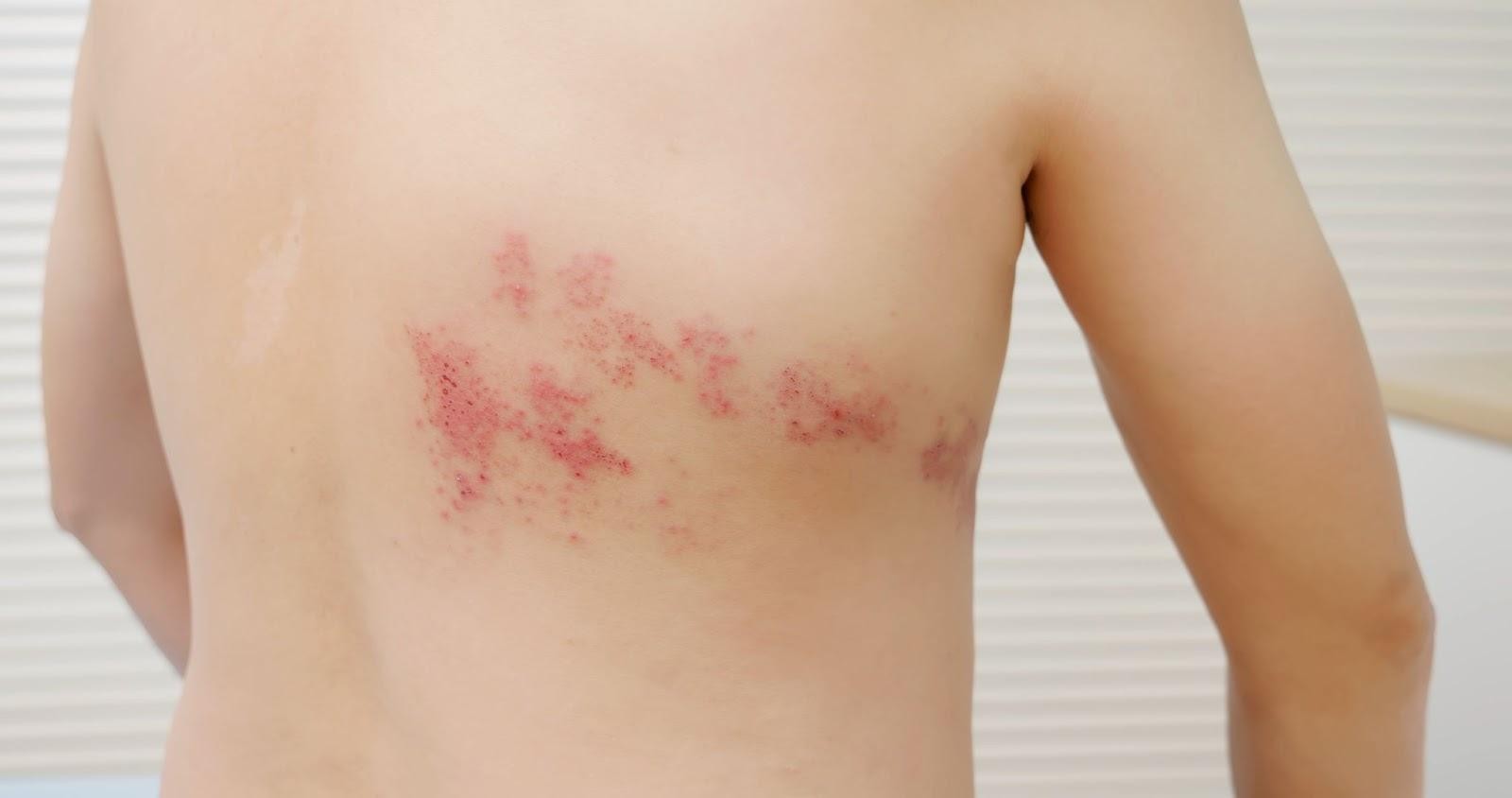
Shingles symptoms often begin before the rash appears and may affect only one side of the body or face. The severity varies, but common features include:
Postherpetic neuralgia (PHN) is the most common complication of shingles. It occurs when nerve fibres are damaged during infection, leading to persistent pain in the affected area long after the rash has resolved. This pain can last for months or even years and may significantly affect daily comfort and quality of life.
The shingles vaccine is a preventive vaccine designed to reduce the risk of developing shingles and its complications, including long-term nerve pain. It is recommended primarily for older adults, as the risk of shingles increases with age. The vaccine does not treat an active shingles infection or relieve existing nerve pain, but it helps lower the likelihood of the virus reactivating in the future.
The shingles vaccine works by boosting the body’s immune response against the varicella-zoster virus. As immunity naturally declines over time, the dormant virus can reactivate. Vaccination strengthens immune defences, helping the body keep the virus under control and reducing the risk of shingles and postherpetic neuralgia.
Shingles vaccination is generally recommended for adults as the risk of herpes zoster increases with age. Declining immunity over time makes reactivation of the virus more likely, and complications such as persistent nerve pain are more common in older individuals. Vaccination may also be advised for certain adults with medical conditions that increase vulnerability.
The shingles vaccine is not routinely recommended for all adults under 60. In Singapore, shingles vaccination is generally advised for adults aged 60 and above, and it may also be recommended for immunocompromised adults aged 18 to 59 who have a higher risk of shingles due to their medical condition or treatment.
The vaccine is given as a two-dose course, usually spaced 2 to 6 months apart. A doctor can assess your health history and advise whether shingles vaccination is appropriate if you are younger but have risk factors.
The shingles vaccine is highly effective in reducing the risk of developing shingles, particularly in older adults. Clinical studies have shown that vaccination significantly lowers the likelihood of both shingles and its most common complication, postherpetic neuralgia (PHN). While no vaccine provides complete protection, the shingles vaccine greatly reduces the severity of illness and the risk of long-term nerve pain if infection occurs.
The shingles vaccine provides strong and long-lasting protection for many years. Studies show that protection remains high for at least 4 to 7 years, with sustained effectiveness observed for up to around 10 years or more in individuals with healthy immune systems.
While immunity may gradually decrease over time, protection does not decline rapidly. At present, booster doses are not routinely recommended. A doctor can advise based on age, overall health, and the latest clinical guidance.
The shingles vaccine has been extensively studied and is widely used in many countries. It has undergone rigorous clinical evaluation before approval and continues to be monitored through ongoing safety programmes. Most individuals tolerate the vaccine well, and serious side effects are rare. A medical consultation before vaccination helps ensure that it is appropriate and administered safely.
Side effects are generally mild and temporary, reflecting the body’s normal immune response to vaccination.
Medical advice should be sought if symptoms persist, worsen or if any unusual reactions occur after vaccination.
The shingles vaccine can generally be administered at the same time as other routine vaccines, including influenza, COVID-19 and pneumococcal vaccines. Clinical evidence indicates that giving these vaccines together does not reduce their effectiveness.
When administered during the same visit, separate syringes are used and the injections are given at different anatomical sites, such as one in each arm. While this approach is considered safe, receiving multiple vaccines at once may slightly increase the likelihood of mild to moderate side effects, such as injection site discomfort, fatigue or low-grade fever. A doctor will advise on the most appropriate timing based on individual health considerations.
Shingles vaccination is carried out during a clinic visit following a brief medical consultation. The doctor reviews medical history and confirms eligibility before the vaccine is given as an injection, usually into the upper arm. A short observation period may follow to monitor for any immediate reactions.
The shingles vaccine may not be suitable for everyone. Certain situations require postponement or further medical assessment.
A consultation helps determine whether shingles vaccination is appropriate based on individual health factors and current clinical guidance.
Shingles is a painful condition caused by reactivation of the chickenpox virus, with risk increasing as immunity declines with age. In some individuals, the infection can lead to prolonged nerve pain that affects daily comfort and quality of life. The shingles vaccine helps reduce the risk of both shingles and its complications, particularly postherpetic neuralgia. Vaccination is an important preventive measure for eligible adults and should be guided by medical advice.
If you are considering shingles vaccination or would like personalised advice based on your age and health history, schedule a consultation with A1 Medical to discuss your vaccination options with a doctor.
Shingles occurs when the varicella-zoster virus reactivates in someone who has previously had chickenpox. Most adults have been exposed to the virus, even if they do not recall having chickenpox.
Yes. Even if you have had shingles previously, vaccination may still be recommended to reduce the risk of recurrence. A doctor can advise on appropriate timing.
The shingles vaccine is given as a two-dose series, typically spaced a few months apart. A doctor will confirm the recommended schedule.
Yes. The vaccine significantly reduces the risk of developing shingles and lowers the likelihood of long-term nerve pain complications such as PHN.
Shingles itself is not spread from person to person, as it results from reactivation of the varicella-zoster virus already present in the body. However, the fluid from shingles blisters can transmit the virus to someone who has never had chickenpox or has not been vaccinated, potentially causing them to develop chickenpox.
In many cases, the shingles vaccine can be administered alongside other routine vaccines. A doctor will advise on suitable timing based on individual health considerations.
No. Shingles vaccination is not compulsory, but it may be recommended for eligible adults based on age and medical risk factors.