CONTACT US


Are you satisfied with our services?
Leave us a review
Quisque vel vestibulum sem, et facilisis ex. Nulla nulla mi.
Write a review

CONTACT US
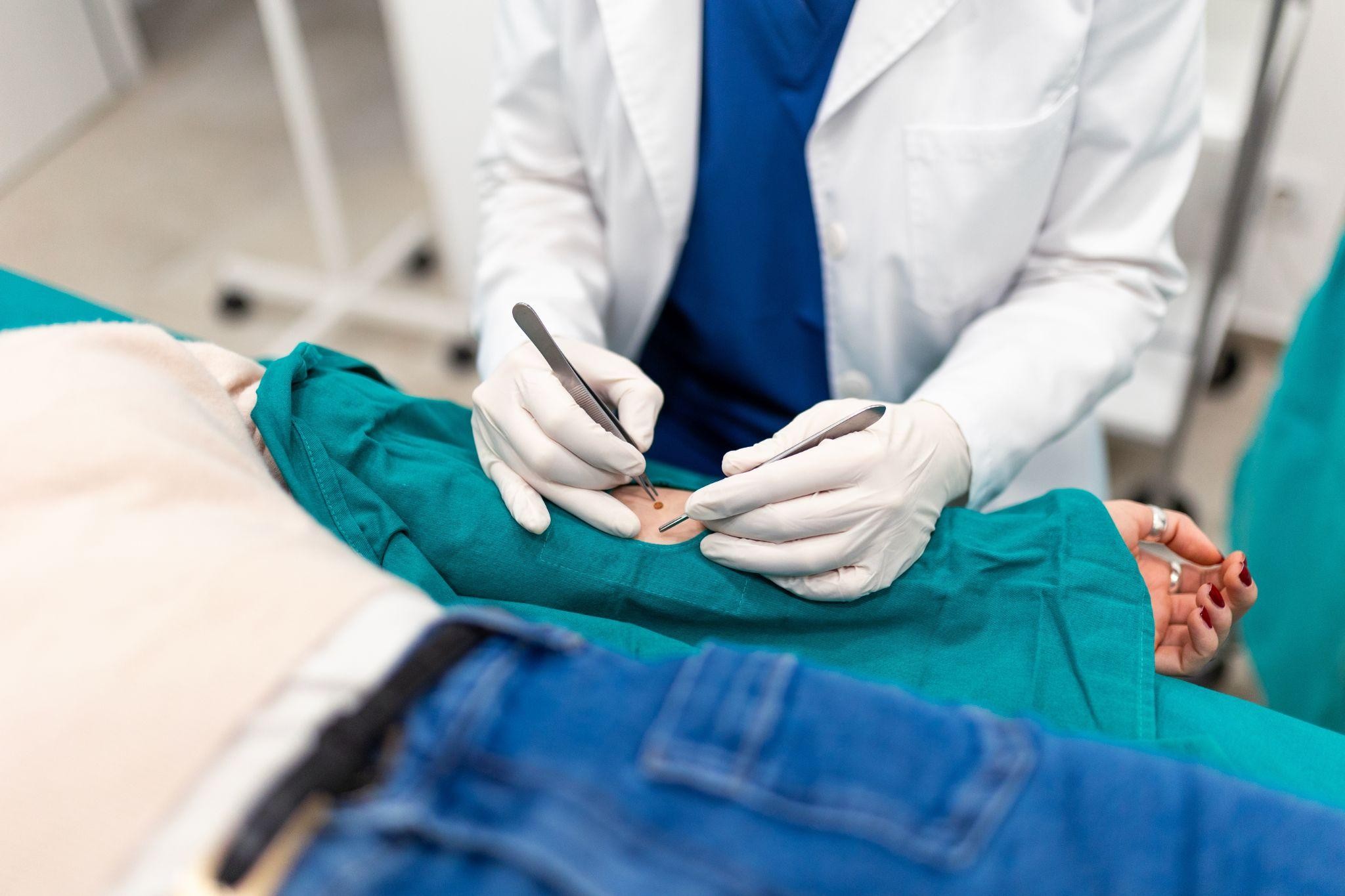
Unlike major surgery, minor procedures are typically carried out in a clinic setting and usually do not require hospital admission. They are designed to address localised problems safely and efficiently while minimising disruption to daily activities.
At A1 Medical, every patient undergoes a medical assessment before any procedure is recommended. Factors such as the nature of the condition, symptom severity, medical history and overall suitability are carefully considered to ensure safe and appropriate treatment.
Minor surgical procedures are small medical interventions performed to treat specific localised conditions affecting the skin, soft tissues, nails or ears. Depending on the condition being treated, these procedures may involve cleaning a wound, closing injured tissue, draining an infection, removing part of a nail or clearing earwax blockage.
These procedures differ from major surgery because they are generally less complex, involve a smaller treatment area and can often be performed in a clinic without the need for hospitalisation. Some procedures may require local anaesthetic to help minimise discomfort during treatment.
Before proceeding, a doctor will assess the condition to determine whether it can be safely managed in the clinic or whether referral to a specialist or hospital-based service is more appropriate.
A1 Medical provides selected minor surgical procedures for suitable patients following medical assessment. The most appropriate procedure depends on the nature of the condition, severity of symptoms and individual treatment requirements.
Toilet and Suture (T&S) is commonly performed for cuts, lacerations and wounds that require thorough cleaning and closure. In this context, “toilet” refers to cleansing the wound, removing dirt or debris and preparing the surrounding tissue to reduce the risk of infection and support healing.
Once the wound has been assessed and cleaned, sutures may be used to bring the wound edges together and promote proper healing. During assessment, the doctor will evaluate factors such as wound depth, bleeding, contamination, infection risk and tetanus vaccination status.
Not all wounds are suitable for immediate suturing. Depending on the condition of the wound, closure may be achieved using stitches, wound closure strips or tissue glue where appropriate.
Incision and Drainage (I&D) is a procedure used to treat selected abscesses, boils and pus-filled skin infections. When pus becomes trapped beneath the skin, antibiotics alone may not always be sufficient to resolve the infection.
During the procedure, a small incision is made to allow the trapped pus to drain. This can help relieve pressure, reduce pain and promote healing. Depending on the nature and severity of the infection, antibiotics may also be prescribed when clinically appropriate. The procedure is commonly performed under local anaesthetic to improve patient comfort.
Tissue glue is a medical adhesive used to close selected wounds without the need for stitches. It may be suitable for small, clean cuts where the wound edges can be easily aligned. This method can provide an effective alternative to sutures in appropriate cases and is often used for superficial wounds that are not under significant tension.
Tissue glue forms a protective seal over the wound and usually falls off naturally as healing occurs, eliminating the need for removal. However, tissue glue is not suitable for all wounds and may not be recommended for deep cuts, infected wounds, heavily bleeding injuries or areas exposed to frequent movement.
Nail avulsion is a procedure used to treat selected nail conditions, including painful ingrown toenails, recurrent nail infections and severely damaged nails. Depending on the condition, part or all of the affected nail may be removed.
The procedure is usually performed under local anaesthetic to minimise discomfort. By removing the problematic portion of the nail, nail avulsion can help relieve pain, reduce pressure on surrounding tissues and manage recurring nail problems that do not respond to conservative treatment.
Ear syringing is a procedure used to remove impacted earwax when clinically appropriate. Excessive earwax accumulation can lead to symptoms such as blocked ears, reduced hearing, discomfort, ringing in the ears (tinnitus) or a sensation of fullness within the ear canal.
Before recommending ear syringing, the doctor will examine the ear to determine whether the procedure is suitable. Ear syringing may not be appropriate for individuals with certain ear infections, eardrum abnormalities, previous ear surgery or other ear-related conditions.
For suitable patients, removing impacted earwax may help improve hearing and relieve associated symptoms.
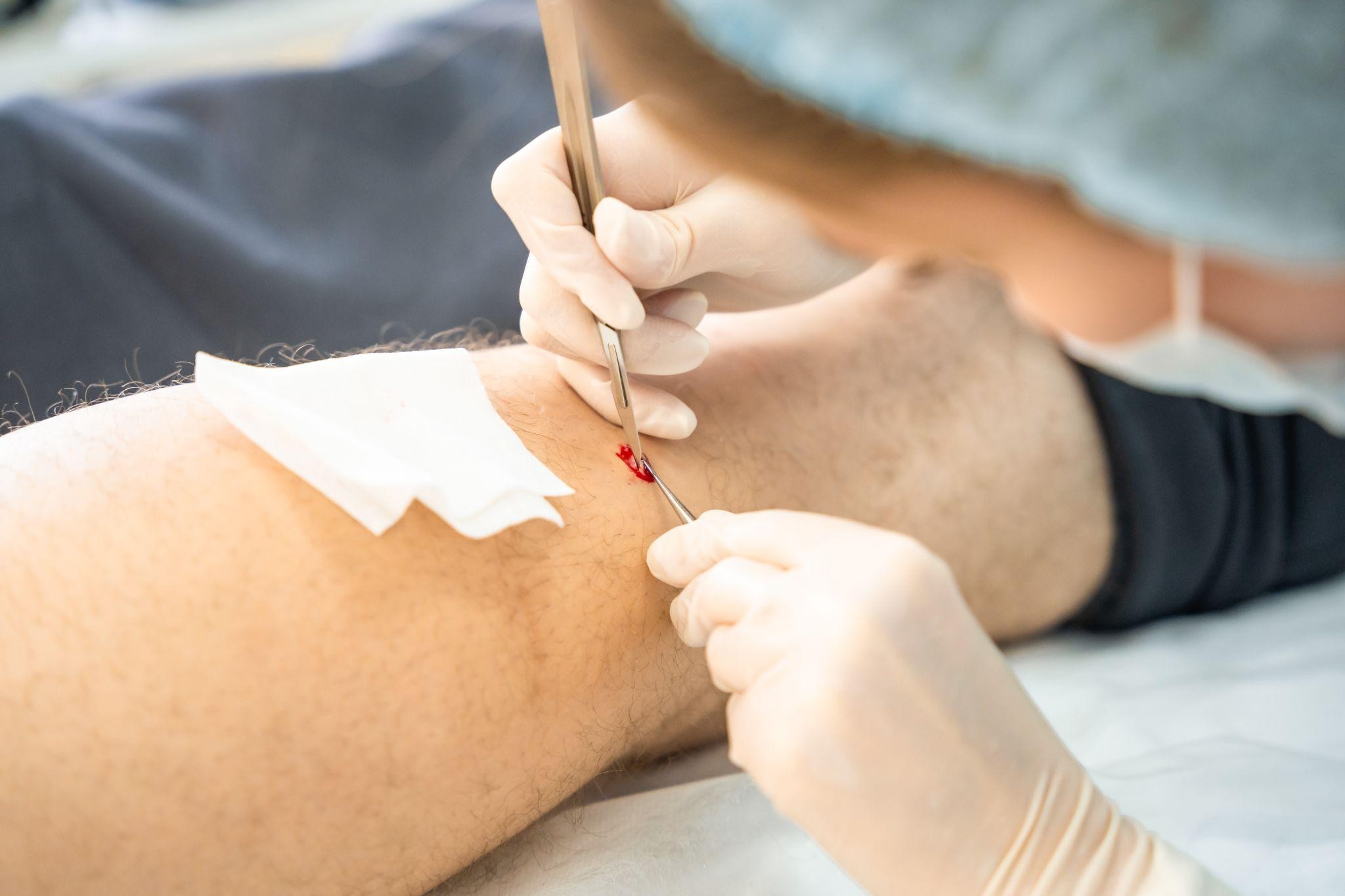
Certain conditions may require more than medication or home care alone. You may benefit from a medical assessment for a minor procedure if you have:
A doctor can assess the condition and determine whether a minor procedure is appropriate.
While many conditions can be managed through minor procedures in a clinic setting, some situations require urgent medical assessment or hospital-based care.
Seek prompt medical attention if you experience:
Early medical attention can help prevent complications and ensure appropriate treatment is provided.
The exact steps involved will depend on the type of procedure being performed. However, most minor surgical procedures follow a similar process to ensure treatment is safe, appropriate and effective.
Preparing for your appointment helps ensure the procedure can be carried out safely and efficiently. Depending on the condition being treated, your doctor may provide specific instructions before your visit.
Aftercare recommendations vary depending on the procedure performed and the area being treated. Following your doctor’s instructions carefully can help promote healing and reduce the risk of complications.
General aftercare advice may include:
If you experience worsening symptoms or have concerns during recovery, seek medical advice promptly.
Minor surgical procedures provide effective treatment for a variety of common conditions that may not respond adequately to medication or self-care measures alone. Procedures such as Toilet & Suture (T&S), Incision & Drainage (I&D), Tissue Glue, Nail Avulsion and Ear Syringing can help manage selected wounds, infections, nail conditions and earwax blockage in a safe clinic setting.
At A1 Medical, every procedure begins with a thorough assessment to determine the most appropriate treatment approach based on the patient’s condition and individual needs.
If you require wound care, treatment for a painful skin infection, nail problem or earwax blockage, schedule a consultation with A1 Medical to discuss your symptoms and receive appropriate care.
A minor surgical procedure is a small medical intervention performed to treat a localised condition, such as a wound, skin infection, nail problem or earwax blockage. These procedures are typically carried out in a clinic setting and do not usually require hospital admission.
Many minor procedures involve little to moderate discomfort. When necessary, local anaesthetic may be used to numb the treatment area and improve comfort during the procedure.
A wound may require stitches if it is deep, gaping, bleeding persistently or unlikely to heal properly on its own. A doctor can assess the wound and determine the most appropriate method of closure.
Stitches use sutures to bring wound edges together, while tissue glue uses a medical adhesive to seal selected wounds. The most suitable option depends on the size, depth and location of the wound.
Not necessarily. Small or early infections may respond to other treatments, while larger abscesses often require drainage. A doctor will assess the infection and recommend the most appropriate treatment.
In many cases, the nail will gradually regrow over time. The rate and extent of regrowth depend on the type of procedure performed and the condition being treated.
No. Ear syringing may not be appropriate for individuals with certain ear infections, eardrum problems, previous ear surgery or other ear conditions. The doctor will examine the ear before recommending treatment.
Most minor procedures can be completed within a single clinic visit, although the exact duration depends on the type and complexity of the procedure.
Many patients can return to their usual activities shortly after treatment. However, recovery recommendations vary depending on the procedure performed and the area treated.
Not always. Antibiotics are prescribed only when clinically indicated, such as in selected cases of infection or when there is a higher risk of complications.
You should seek medical advice if you develop increasing redness, swelling, warmth, pain, pus discharge, fever or worsening symptoms after a procedure.
Follow-up requirements depend on the procedure performed. Your doctor will advise whether you need a review appointment, dressing change or suture removal, and when this should take place.