CONTACT US


Are you satisfied with our services?
Leave us a review
Quisque vel vestibulum sem, et facilisis ex. Nulla nulla mi.
Write a review

CONTACT US

Chronic knee pain can have various underlying causes, ranging from age-related joint changes to previous injuries and inflammatory conditions. Identifying the source of the pain is important, as treatment approaches may differ depending on the underlying condition. Early assessment can help guide appropriate management, improve function and reduce the impact of symptoms on daily life.
Chronic knee pain refers to knee pain that persists for an extended period, typically lasting several weeks, months or longer. Unlike acute knee pain, which often develops suddenly following an injury and improves as the tissues heal, chronic knee pain may continue beyond the expected recovery period or develop gradually over time without a specific triggering event.
The pain may originate from different structures within or around the knee, including the joint surfaces, cartilage, ligaments, tendons, muscles or surrounding soft tissues. Depending on the underlying cause, symptoms may remain relatively stable or progressively worsen over time.
Some individuals experience persistent discomfort during physical activity, while others may notice pain during routine tasks such as walking, climbing stairs, standing for prolonged periods or getting up from a seated position.
Chronic knee pain can result from a variety of conditions affecting the knee joint and surrounding structures. Common causes include:
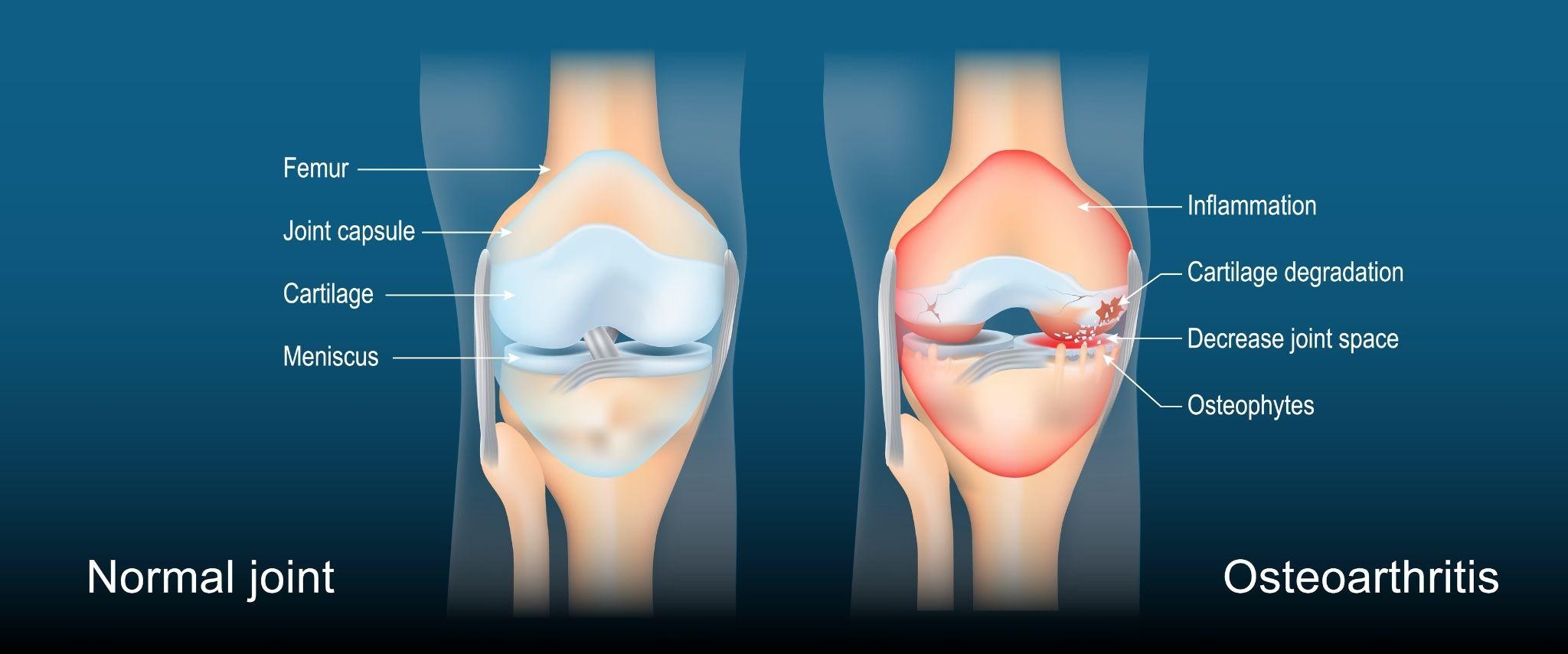
The symptoms of chronic knee pain can vary depending on the underlying cause and severity of the condition. Common symptoms include:

While occasional knee discomfort may improve with rest, persistent or worsening symptoms should be assessed by a doctor. Early evaluation can help identify the underlying cause and prevent symptoms from affecting long-term mobility and joint function.
You should consider seeking medical attention if:
A medical assessment can help determine the cause of the pain and guide the most appropriate treatment plan based on your individual condition and lifestyle needs.
Diagnosing chronic knee pain begins with a thorough assessment to identify the underlying cause of symptoms and determine the most appropriate treatment approach. The evaluation typically includes a review of medical history, physical examination and, when necessary, imaging studies to assess the structures within and around the knee joint.
Following the assessment, the doctor will discuss the findings and recommend a treatment plan based on the underlying cause of the knee pain, symptom severity and individual functional goals.
Treatment for chronic knee pain depends on the underlying cause, severity of symptoms, activity level and individual treatment goals. In many cases, a combination of lifestyle modifications, rehabilitation and medical treatments may be recommended to relieve symptoms, improve mobility and support long-term joint health.
Not all causes of chronic knee pain can be prevented, particularly those related to ageing or certain medical conditions. However, adopting healthy lifestyle habits may help reduce the risk of developing chronic knee problems and support long-term joint health.
Chronic knee pain is a common condition that can result from osteoarthritis, previous injuries, tendon disorders and inflammatory joint conditions. As symptoms often develop gradually and may worsen over time, early assessment is important to identify the underlying cause and prevent further deterioration in mobility and joint function.
A range of treatment options is available depending on the diagnosis, severity of symptoms and individual treatment goals. These may include lifestyle modifications, physiotherapy, medications and regenerative treatments such as joint viscosupplementation, intra-articular polynucleotide injections and Platelet-Rich Plasma (PRP) therapy. A personalised treatment plan can help improve comfort, mobility and overall quality of life.
If chronic knee pain is affecting your mobility, exercise routine or daily activities, schedule a consultation with A1 Medical to discuss your symptoms and explore the most appropriate treatment options for your condition.
Chronic knee pain generally refers to knee pain that persists for several weeks, months or longer. It may develop gradually over time or continue after an injury has healed.
Osteoarthritis is one of the most common causes of chronic knee pain, particularly in older adults. It occurs when the protective cartilage within the knee joint gradually wears down over time.
Some cases of mild knee pain may improve with rest, activity modification and conservative management. However, persistent or worsening symptoms should be evaluated by a doctor to determine the underlying cause.
Not always. Many causes of chronic knee pain can be diagnosed through a clinical assessment and X-rays. MRI is usually recommended when more detailed evaluation of cartilage, ligaments, tendons or the meniscus is required.
The duration of symptom relief varies between individuals and depends on the severity of the condition. Some patients may experience benefits for several months following treatment.
Platelet-Rich Plasma (PRP) therapy uses concentrated platelets derived from your own blood. These platelets contain growth factors that support tissue healing and may help reduce symptoms in certain knee conditions.
PRP and steroid injections serve different purposes and may be suitable for different conditions. The most appropriate option depends on factors such as the underlying diagnosis, severity of symptoms and individual treatment goals.
Most knee injections are well tolerated. Patients may experience mild discomfort during the procedure, but the injection is generally performed quickly and can often be completed in an outpatient setting.
The number of treatments varies depending on the condition being treated and individual response to therapy. Your doctor will recommend an appropriate treatment plan after assessing your knee condition.
Yes. Many cases of chronic knee pain can be managed with non-surgical treatments such as physiotherapy, weight management, medications and injection therapies. Surgery is typically considered only when conservative treatments are insufficient.
You should seek medical assessment if knee pain persists for several weeks, interferes with daily activities, causes recurrent swelling, limits mobility or does not improve with rest and self-care measures.
The most suitable treatment depends on the cause of your knee pain, the severity of joint changes, your activity level and treatment goals. A consultation with a doctor can help determine which option is most appropriate for your condition.