CONTACT US


Are you satisfied with our services?
Leave us a review
Quisque vel vestibulum sem, et facilisis ex. Nulla nulla mi.
Write a review

CONTACT US
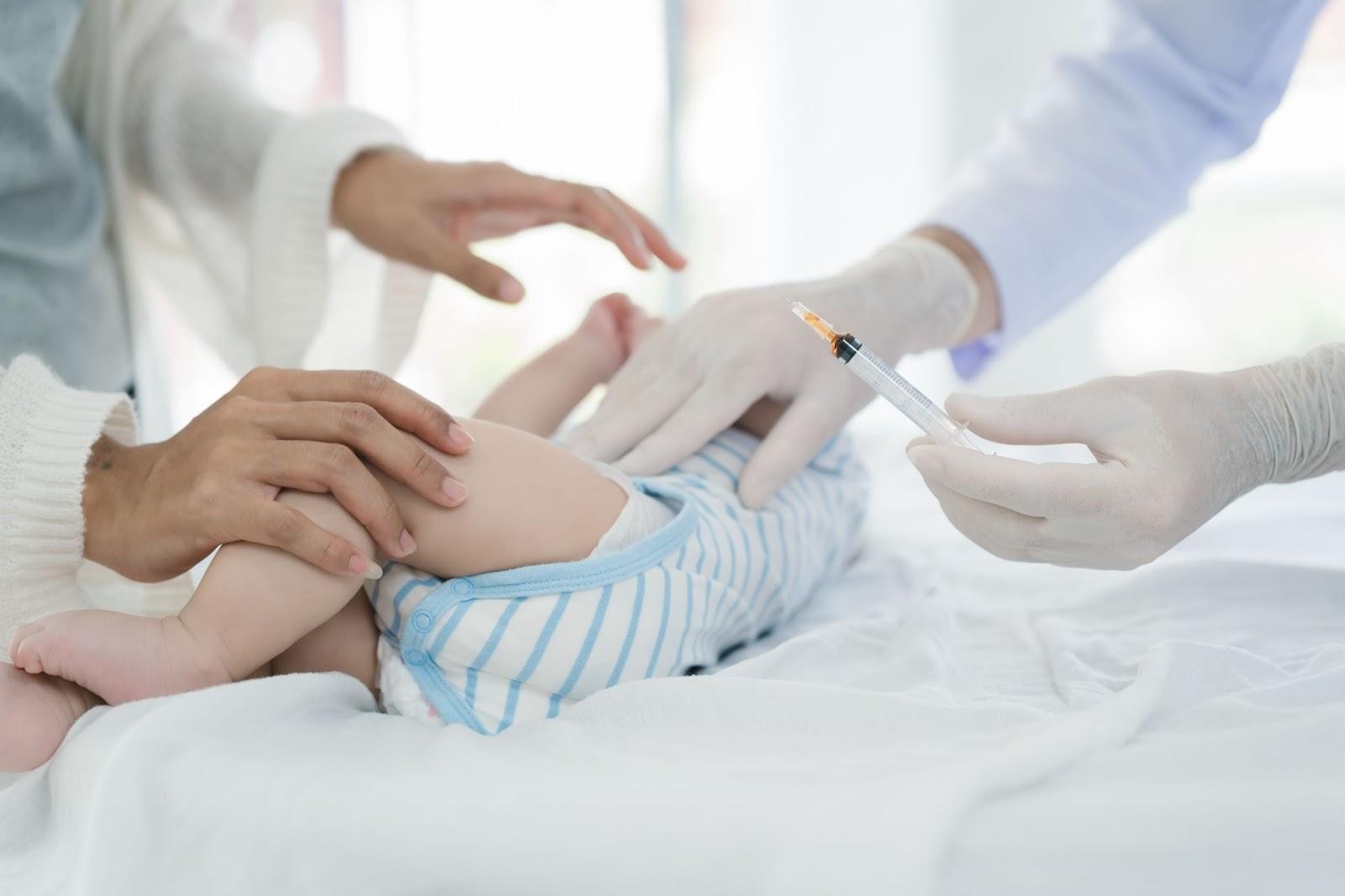
By combining protection against several infections into one vaccine, fewer injections are needed while still ensuring comprehensive coverage. These vaccines form a key part of routine childhood immunisation schedules and help safeguard children during their most vulnerable years.
The 5-in-1 vaccine is a combination vaccine that protects infants against five serious childhood diseases in a single injection. These include:
By combining protection against these five infections, the vaccine reduces the number of separate injections required during early infancy.
The 6-in-1 vaccine provides protection against all five diseases covered by the 5-in-1 vaccine, with the addition of:
This combined vaccine helps simplify the immunisation schedule while ensuring comprehensive protection during early childhood.
The main difference between the two vaccines is that the 6-in-1 vaccine includes protection against hepatitis B in addition to diphtheria, tetanus, pertussis, polio and Hib. A doctor will advise on which vaccine is appropriate based on the child’s immunisation history and national vaccination guidelines.
The 5-in-1 and 6-in-1 vaccines are primarily recommended for infants as part of routine childhood immunisation. Early vaccination helps protect babies during a period when they are most vulnerable to serious infections. In certain cases, older children who have missed scheduled doses may also require catch-up vaccination.
A doctor will review your child’s vaccination history and advise on the appropriate schedule.
The vaccine is typically administered as a series of doses during infancy. In Singapore, the usual schedule includes doses at 2 months, 4 months and 6 months of age, followed by a booster dose later in childhood according to national guidelines. Timely completion of the series helps ensure optimal and long-lasting protection.
The 5-in-1 and 6-in-1 vaccines are highly effective in protecting against the serious diseases they target. Clinical studies and long-term immunisation programmes have shown strong protection against diphtheria, tetanus, pertussis, polio, Hib, and hepatitis B when the full course is completed. Widespread vaccination has significantly reduced the incidence of these infections in countries with established immunisation schedules.
The vaccine is given as a primary series during infancy, typically at 2, 4 and 6 months of age. A booster dose is administered later in childhood according to national immunisation guidelines to maintain long-term protection. Completing the full schedule is important to ensure optimal immunity.
The 5-in-1 and 6-in-1 vaccines provide strong protection during early childhood when infants are most vulnerable to serious infections. Immunity develops after completion of the primary series in infancy, but protection can gradually decrease over time for certain components, such as pertussis.
For this reason, booster doses are included in the national immunisation schedule to maintain long-term protection. Additional boosters for some diseases, such as tetanus and diphtheria, may also be recommended later in childhood or adulthood. Completing the full vaccination schedule ensures sustained and optimal immunity.
The 5-in-1 and 6-in-1 vaccines have been extensively studied and are widely used in national immunisation programmes around the world. They undergo strict safety evaluations before approval and continue to be monitored through established vaccine safety systems. For most infants, these vaccines are well tolerated and serious reactions are rare. Vaccination is carried out under medical supervision to ensure safety and suitability.
Side effects are generally mild and short-lived, reflecting the body’s normal immune response to vaccination.
Most symptoms settle within a few days. Medical advice should be sought if fever persists or if unusual reactions occur.
The vaccine is given during a clinic visit following a brief medical review to ensure your child is well and suitable for immunisation.
Most babies are able to go home shortly after the appointment.
A little preparation can make the visit smoother for both parent and child.
Most children tolerate the vaccine well, but mild reactions are common and temporary.
These symptoms usually settle within a few days. Medical advice should be sought if fever is high, persistent or if any unusual symptoms occur.
The 5-in-1 and 6-in-1 vaccines are safe for most infants and children. However, certain situations may require postponement or further medical assessment before vaccination.
A doctor will review your child’s health history and advise whether vaccination should proceed or be rescheduled.
The 5-in-1 and 6-in-1 vaccines provide early protection against several serious childhood infections, including diphtheria, tetanus, pertussis, polio, Hib and hepatitis B. Given during infancy as part of the national immunisation schedule, these combination vaccines help reduce the number of injections while ensuring comprehensive protection during a child’s most vulnerable years. Completing the recommended schedule supports long-term immunity and contributes to safer, healthier development.
If you would like to ensure your child’s vaccinations are up to date or have questions about the 5-in-1 or 6-in-1 vaccine, schedule a consultation with A1 Medical for personalised immunisation advice and care.
These vaccines are part of the National Childhood Immunisation Schedule and are strongly recommended to protect infants against serious infections. Parents are encouraged to follow the recommended schedule for optimal protection.
Yes. Combination vaccines are often given alongside other routine childhood vaccines during the same appointment. A doctor will advise on appropriate scheduling.
If a dose is delayed, the vaccination schedule can usually be continued without restarting the series. A doctor will provide guidance on catch-up vaccination.
The main difference is that the 6-in-1 vaccine includes protection against hepatitis B in addition to the five other diseases. A doctor will advise which option is appropriate based on your child’s immunisation history.
In most cases, premature infants can receive routine vaccinations according to their chronological age. A doctor will assess individual circumstances.
Mild fever is common and usually resolves within a few days. Ensure your child stays well hydrated and seek medical advice if the fever is high, persistent or accompanied by unusual symptoms.