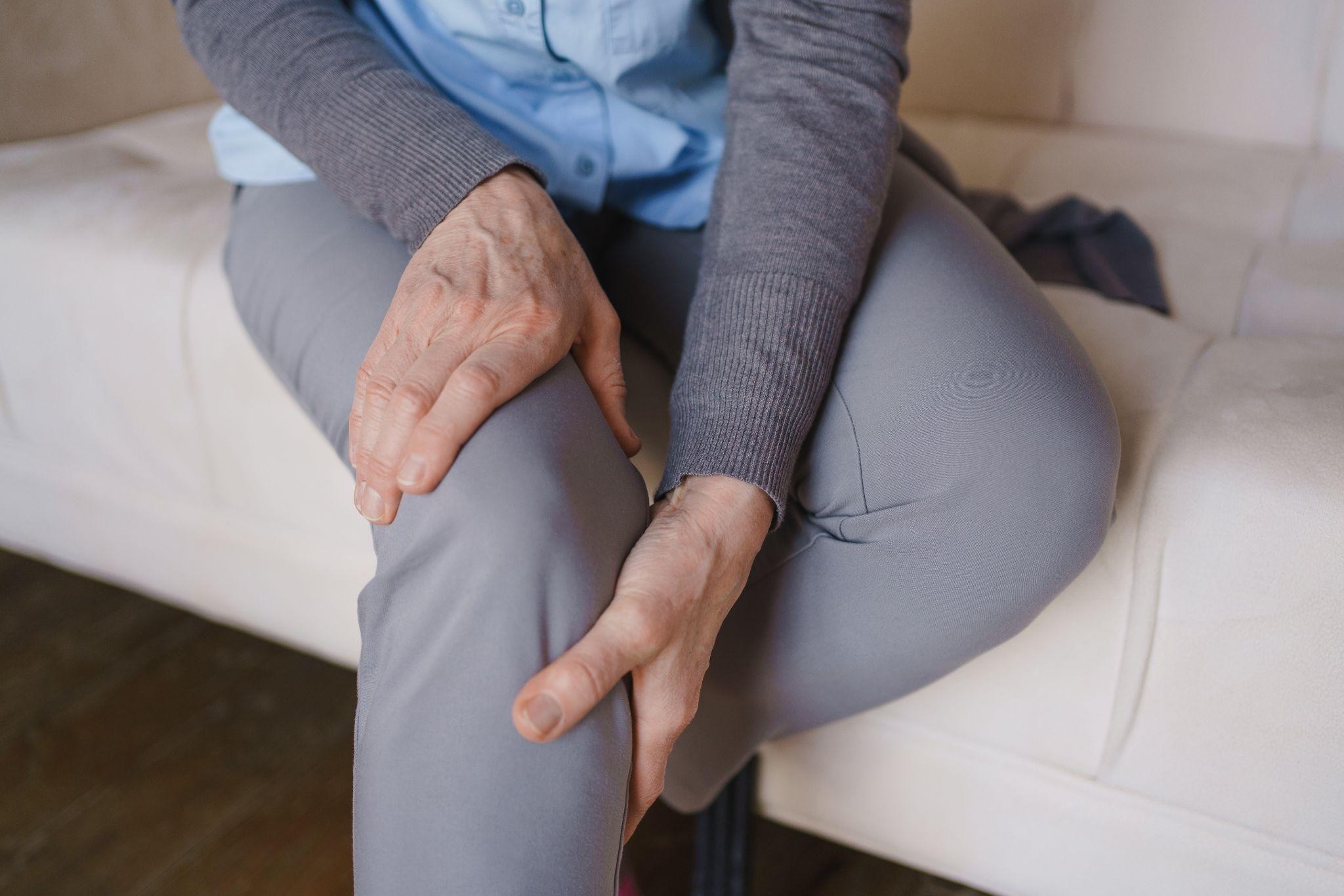
Chronic Knee Pain Treatments

Knee pain is a common musculoskeletal complaint that can affect individuals of all ages and activity levels. While some episodes of knee pain improve with rest and simple measures, others may persist for weeks or months, affecting mobility, exercise, work responsibilities and everyday activities.
Chronic Knee Pain Singapore

Chronic knee pain can have various underlying causes, ranging from age-related joint changes to previous injuries and inflammatory conditions. Identifying the source of the pain is important, as treatment approaches may differ depending on the underlying condition. Early assessment can help guide appropriate management, improve function and reduce the impact of symptoms on daily life.

What is chronic knee pain?

Chronic knee pain refers to knee pain that persists for an extended period, typically lasting several weeks, months or longer. Unlike acute knee pain, which often develops suddenly following an injury and improves as the tissues heal, chronic knee pain may continue beyond the expected recovery period or develop gradually over time without a specific triggering event.

The pain may originate from different structures within or around the knee, including the joint surfaces, cartilage, ligaments, tendons, muscles or surrounding soft tissues. Depending on the underlying cause, symptoms may remain relatively stable or progressively worsen over time.

Some individuals experience persistent discomfort during physical activity, while others may notice pain during routine tasks such as walking, climbing stairs, standing for prolonged periods or getting up from a seated position.

What causes chronic knee pain?

Chronic knee pain can result from a variety of conditions affecting the knee joint and surrounding structures. Common causes include:
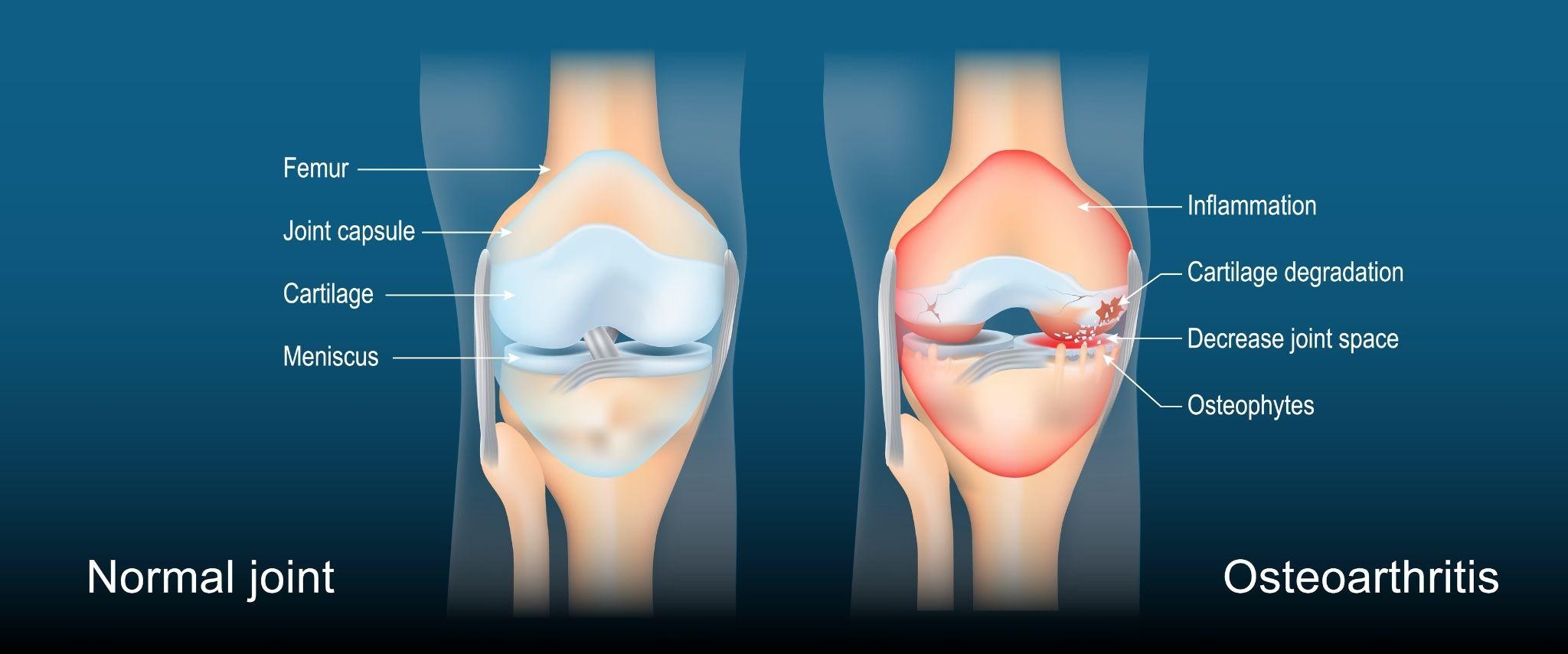
  • Osteoarthritis — Osteoarthritis is one of the most common causes of chronic knee pain, particularly in older adults. It occurs when the protective cartilage within the knee gradually wears down over time, leading to joint inflammation, stiffness and pain during movement.
  • Previous knee injuries — Past injuries can contribute to ongoing knee symptoms, even after the initial injury has healed. Examples include: meniscus injuries, ligament injuries, knee fractures, and sports-related injuries. Damage to these structures may alter joint mechanics and increase the risk of chronic pain and degeneration.
  • Tendon disorders — Overuse and repetitive strain can affect the tendons around the knee, resulting in persistent pain and reduced function. Conditions such as patellar tendinopathy are commonly seen in physically active individuals and athletes.
  • Inflammatory joint conditions — Certain medical conditions can cause chronic inflammation within the knee joint, leading to pain, swelling and stiffness. These may include rheumatoid arthritis, gout, other inflammatory joint disorders
  • Excess body weight — Carrying excess body weight places additional stress on the knee joints during everyday activities. Over time, this increased load can contribute to joint degeneration and chronic knee pain.
  • Age-related degeneration — As people age, gradual changes can occur within the cartilage, bones and supporting structures of the knee. These natural degenerative processes may contribute to persistent pain, stiffness and reduced mobility.


Causes of Chronic Knee Pain Singapore


What symptoms can chronic knee pain cause?

The symptoms of chronic knee pain can vary depending on the underlying cause and severity of the condition. Common symptoms include:
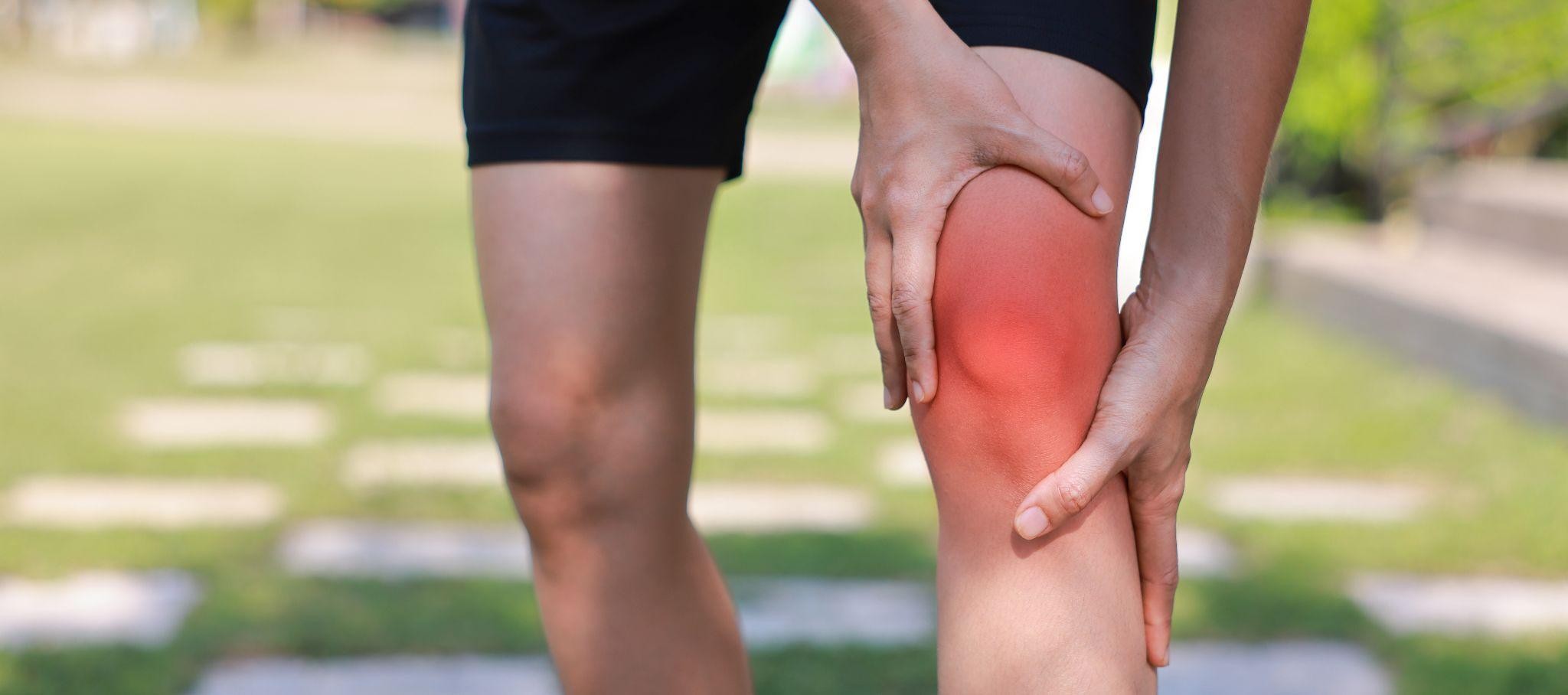
  • Persistent knee pain — Pain may be constant or intermittent and can range from a mild ache to more significant discomfort that interferes with daily activities.
  • Knee stiffness — Many individuals experience stiffness, particularly after periods of rest or upon waking in the morning. Stiffness may improve with movement but can return after prolonged activity.
  • Swelling around the joint — Inflammation within the knee may lead to visible swelling, tightness or a sensation of fullness around the joint.
  • Reduced mobility — Pain and stiffness can limit the knee's range of motion, making it more difficult to bend, straighten or move the joint comfortably.
  • Pain during everyday activities — Symptoms may become more noticeable during activities such as walking, climbing stairs or standing for prolonged periods. Some individuals may notice clicking, grinding or crackling sounds when moving the knee, particularly when cartilage changes or joint degeneration are present.
  • Feeling of instability or weakness — The knee may occasionally feel weak, unstable or as though it may give way during movement.


Chronic Knee Pain Symptoms Singapore

When should you see a doctor for chronic knee pain?

While occasional knee discomfort may improve with rest, persistent or worsening symptoms should be assessed by a doctor. Early evaluation can help identify the underlying cause and prevent symptoms from affecting long-term mobility and joint function.

You should consider seeking medical attention if:

  • Knee pain persists for several weeks or longer
  • Symptoms are affecting work, exercise or daily activities
  • Knee stiffness is becoming more frequent or severe
  • Swelling recurs or does not improve
  • Mobility becomes increasingly limited
  • Walking becomes difficult or uncomfortable
  • Symptoms do not improve despite rest and self-care measures

A medical assessment can help determine the cause of the pain and guide the most appropriate treatment plan based on your individual condition and lifestyle needs.

How is chronic knee pain diagnosed?

Diagnosing chronic knee pain begins with a thorough assessment to identify the underlying cause of symptoms and determine the most appropriate treatment approach. The evaluation typically includes a review of medical history, physical examination and, when necessary, imaging studies to assess the structures within and around the knee joint.

  • Medical history — The doctor will discuss your symptoms in detail, including when the pain started, its location, severity and any factors that worsen or relieve it. Information about previous injuries, medical conditions, physical activity levels and occupational demands can also help identify potential causes of chronic knee pain.
  • Physical examination — A physical examination allows the doctor to assess the knee joint and surrounding structures for signs of inflammation, instability, weakness or restricted movement.
  • Assessment of joint movement — The range of motion of the knee will be evaluated to determine whether pain, stiffness or structural abnormalities are limiting movement.
  • Evaluation of gait and function — Observing how you walk, stand and perform certain movements can provide valuable information about joint function, muscle strength and the impact of knee pain on mobility.
  • Imaging studies when required — Imaging investigations may be recommended to confirm a diagnosis, assess the severity of joint changes or evaluate soft tissue structures that cannot be assessed through physical examination alone.
  • X-rays — X-rays are commonly used to evaluate the bones and joint space of the knee. They can help identify:
    • Osteoarthritis
    • Joint space narrowing
    • Bone spurs and other degenerative changes
    • Ultrasound
  • MRI (Magnetic Resonance Imaging) — MRI provides detailed images of both bone and soft tissue structures and may be recommended when a more comprehensive assessment is required. It can help evaluate:
    • Cartilage damage
    • Meniscus injuries
    • Ligament injuries
    • Tendon abnormalities

Following the assessment, the doctor will discuss the findings and recommend a treatment plan based on the underlying cause of the knee pain, symptom severity and individual functional goals.

What are the treatment options for chronic knee pain?

Treatment for chronic knee pain depends on the underlying cause, severity of symptoms, activity level and individual treatment goals. In many cases, a combination of lifestyle modifications, rehabilitation and medical treatments may be recommended to relieve symptoms, improve mobility and support long-term joint health.

  • Lifestyle modifications and weight management — Maintaining a healthy body weight can help reduce stress on the knee joints and alleviate symptoms, particularly in individuals with osteoarthritis. Modifying activities that place excessive strain on the knees may also help prevent symptom aggravation.
  • Physiotherapy and strengthening exercises — Targeted exercises can help improve knee stability, flexibility and muscle strength. Strengthening the muscles that support the knee joint may reduce pain, improve function and enhance mobility.
  • Medications — Pain-relieving and anti-inflammatory medications may be used to help manage symptoms, particularly during flare-ups. The choice of medication depends on the underlying condition and individual medical history.
  • Joint viscosupplementation — Joint viscosupplementation involves injecting hyaluronic acid into the knee joint to supplement the natural joint fluid. Hyaluronic acid acts as a lubricant and shock absorber within the joint, helping to improve movement and reduce discomfort. This treatment is commonly used for individuals with knee osteoarthritis and may help improve pain and joint function for selected patients.
  • Intra-articular polynucleotide injections — Polynucleotide injections are regenerative treatments designed to support tissue repair and joint health. These naturally derived compounds may help reduce inflammation within the joint environment and promote a more favourable healing response. Intra-articular polynucleotide injections may be considered for individuals with degenerative knee conditions and chronic joint pain.
  • Platelet-Rich Plasma (PRP) injections — Platelet-Rich Plasma (PRP) therapy uses a concentrated preparation of platelets obtained from the patient’s own blood. Platelets contain growth factors that play a role in tissue healing and repair. PRP injections are commonly used in selected cases of knee osteoarthritis, tendon injuries and other musculoskeletal conditions, with the aim of reducing symptoms and supporting the body’s natural healing processes.

Can chronic knee pain be prevented?

Not all causes of chronic knee pain can be prevented, particularly those related to ageing or certain medical conditions. However, adopting healthy lifestyle habits may help reduce the risk of developing chronic knee problems and support long-term joint health.

  • Maintain a healthy weight — Excess body weight places additional stress on the knee joints during everyday activities. Maintaining a healthy weight can help reduce joint strain and lower the risk of knee degeneration.
  • Stay physically active — Regular physical activity helps maintain joint mobility, muscle strength and overall knee function. Low-impact exercises such as walking, cycling and swimming can be beneficial for joint health.
  • Strengthen supporting muscles — Strong muscles around the hips, thighs and knees help provide stability and reduce stress on the knee joint during movement and exercise.
  • Use proper exercise techniques — Using appropriate footwear, warming up before exercise and practising correct movement techniques can help minimise unnecessary strain on the knees and reduce the risk of injury.
  • Manage injuries early — Prompt assessment and appropriate treatment of knee injuries may help prevent long-term complications and reduce the likelihood of chronic pain developing later on.

Summary

Chronic knee pain is a common condition that can result from osteoarthritis, previous injuries, tendon disorders and inflammatory joint conditions. As symptoms often develop gradually and may worsen over time, early assessment is important to identify the underlying cause and prevent further deterioration in mobility and joint function.

A range of treatment options is available depending on the diagnosis, severity of symptoms and individual treatment goals. These may include lifestyle modifications, physiotherapy, medications and regenerative treatments such as joint viscosupplementation, intra-articular polynucleotide injections and Platelet-Rich Plasma (PRP) therapy. A personalised treatment plan can help improve comfort, mobility and overall quality of life.

If chronic knee pain is affecting your mobility, exercise routine or daily activities, schedule a consultation with A1 Medical to discuss your symptoms and explore the most appropriate treatment options for your condition.

Frequently Asked Questions (FAQs)

Chronic knee pain generally refers to knee pain that persists for several weeks, months or longer. It may develop gradually over time or continue after an injury has healed.

Osteoarthritis is one of the most common causes of chronic knee pain, particularly in older adults. It occurs when the protective cartilage within the knee joint gradually wears down over time.

Some cases of mild knee pain may improve with rest, activity modification and conservative management. However, persistent or worsening symptoms should be evaluated by a doctor to determine the underlying cause.

Not always. Many causes of chronic knee pain can be diagnosed through a clinical assessment and X-rays. MRI is usually recommended when more detailed evaluation of cartilage, ligaments, tendons or the meniscus is required.

The duration of symptom relief varies between individuals and depends on the severity of the condition. Some patients may experience benefits for several months following treatment.

Platelet-Rich Plasma (PRP) therapy uses concentrated platelets derived from your own blood. These platelets contain growth factors that support tissue healing and may help reduce symptoms in certain knee conditions.

PRP and steroid injections serve different purposes and may be suitable for different conditions. The most appropriate option depends on factors such as the underlying diagnosis, severity of symptoms and individual treatment goals.

Most knee injections are well tolerated. Patients may experience mild discomfort during the procedure, but the injection is generally performed quickly and can often be completed in an outpatient setting.

The number of treatments varies depending on the condition being treated and individual response to therapy. Your doctor will recommend an appropriate treatment plan after assessing your knee condition.

Yes. Many cases of chronic knee pain can be managed with non-surgical treatments such as physiotherapy, weight management, medications and injection therapies. Surgery is typically considered only when conservative treatments are insufficient.

You should seek medical assessment if knee pain persists for several weeks, interferes with daily activities, causes recurrent swelling, limits mobility or does not improve with rest and self-care measures.

The most suitable treatment depends on the cause of your knee pain, the severity of joint changes, your activity level and treatment goals. A consultation with a doctor can help determine which option is most appropriate for your condition.

Get in Touch

Contact Us

Have a question about our services, or not sure which clinic to visit? Drop us a message and our team will get back to you as soon as we can.

enquiry@a1medical.com.sg


    Clinic Locations

    Find an A1 Medical Clinic near you. Walk-ins welcome at all three locations.
    Bedok Clinic
    Kovan Clinic
    Teck Whye Clinic

    Bedok Clinic

    Business Hour

    Monday & Tuesday
    9am - 1pm | 6.30pm - 10pm
    Mon - Fri
    2pm - 5pm
    Wednesday
    9am - 1pm
    Thursday & Friday
    9am - 1pm | 6.30pm - 10pm
    Saturday
    9am - 12pm
    Sunday
    7pm - 10pm
    *Closed on Public Holidays

    enquiry@a1medical.com.sg

    Direction

    By Train: Bedok MRT Station (East West / Green MRT Line) -> Take Exit B & walk 500m (6 mins)
    By Bus:
    - Bus 2 / 24 / 48 / 67 -> Stop at Bedok Station Exit B & walk 500m (6 mins)
    - Bus 7 / 16 -> Stop at Bedok Interchange & walk 600m (7 mins)

    Kovan Clinic

    Business Hour

    Monday to Friday
    8am - 1pm | 6.30pm - 10pm
    Saturday, Sunday 
    9am - 12pm
    *Closed on Public Holidays

    enquiry@a1medical.com.sg

    Direction

    By Train: Kovan MRT Station (North East / Purple Line) -> Take Exit C & walk 700m (8 mins)
    By Bus:
    - Bus 53M / 112 / 113 / 113A / 115 / 119 / 146 -> Stop directly at Blk 211
    - Bus 53M / 112 / 113 / 113A -> Stop opposite Blk 211 & cross the road

    Teck Whye Clinic

    Business Hour

    Monday to Wednesday
    8.30am - 1pm | 2pm - 5pm | 6pm - 9pm
    Thursday & Friday
    8.30am - 1pm | 2pm - 5pm
    Saturday & Sunday
    9am - 12pm
    Public Holidays
    Closed
    enquiry@a1medical.com.sg

    Direction

    By Train: Teck Whye Station (BP LRT Line) -> Take Exit A & walk 700m (8 mins)
    By Bus:
    - Bus 190 / 649 / 975 / 975C / 984 / 984A / 985 -> Stop at Blk 8 & walk 350m (4mins)
    - Bus 307 / 307T -> Stop at Blk 9 & walk 350m (4mins)
    logo
    CONTACT US
    © 2026 A1 Medical Clinic | All rights reserved.
    crosschevron-down