CONTACT US


Are you satisfied with our services?
Leave us a review
Quisque vel vestibulum sem, et facilisis ex. Nulla nulla mi.
Write a review

CONTACT US
For individuals travelling to higher-risk regions, prevention is an important consideration. The typhoid vaccine helps reduce the risk of infection and forms part of a broader travel health strategy, alongside careful food and water precautions. Receiving the vaccine before travel supports safer journeys and lowers the likelihood of avoidable illness abroad.
Typhoid fever is a serious bacterial infection caused by Salmonella Typhi. The infection typically begins after consuming food or water contaminated with the bacteria. Once inside the body, the bacteria can enter the bloodstream and spread to different organs, leading to a systemic illness rather than a localised infection.
If not treated promptly with appropriate antibiotics, typhoid fever can become prolonged and may result in complications affecting the intestines and other organs. Early diagnosis and medical care are important to reduce the risk of severe outcomes.
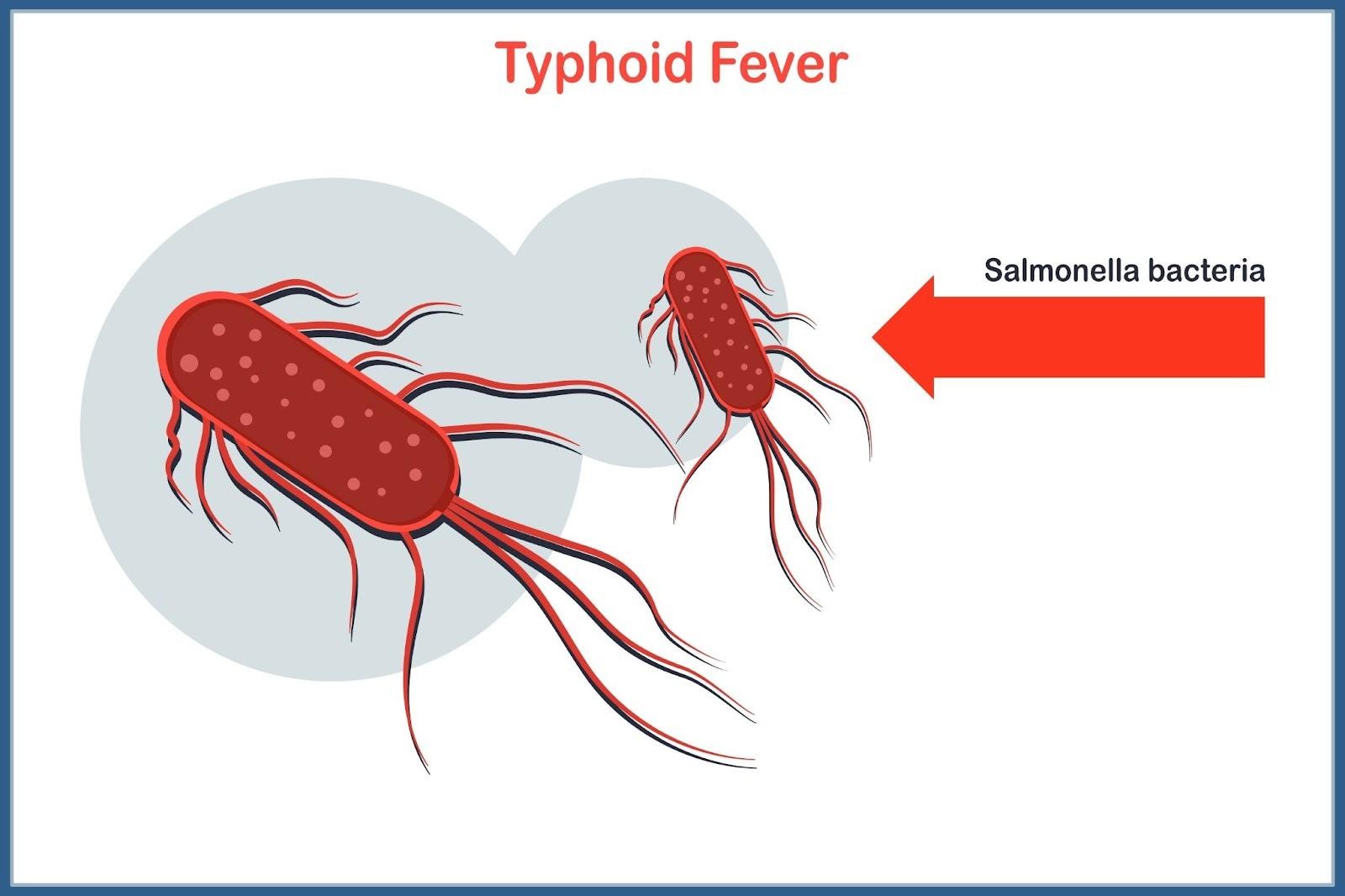
Typhoid spreads primarily through the consumption of food or water contaminated with Salmonella Typhi. This often occurs in areas where sanitation and hygiene standards are inadequate. The bacteria can be transmitted through unsafe drinking water, improperly handled food or close contact with an infected individual.
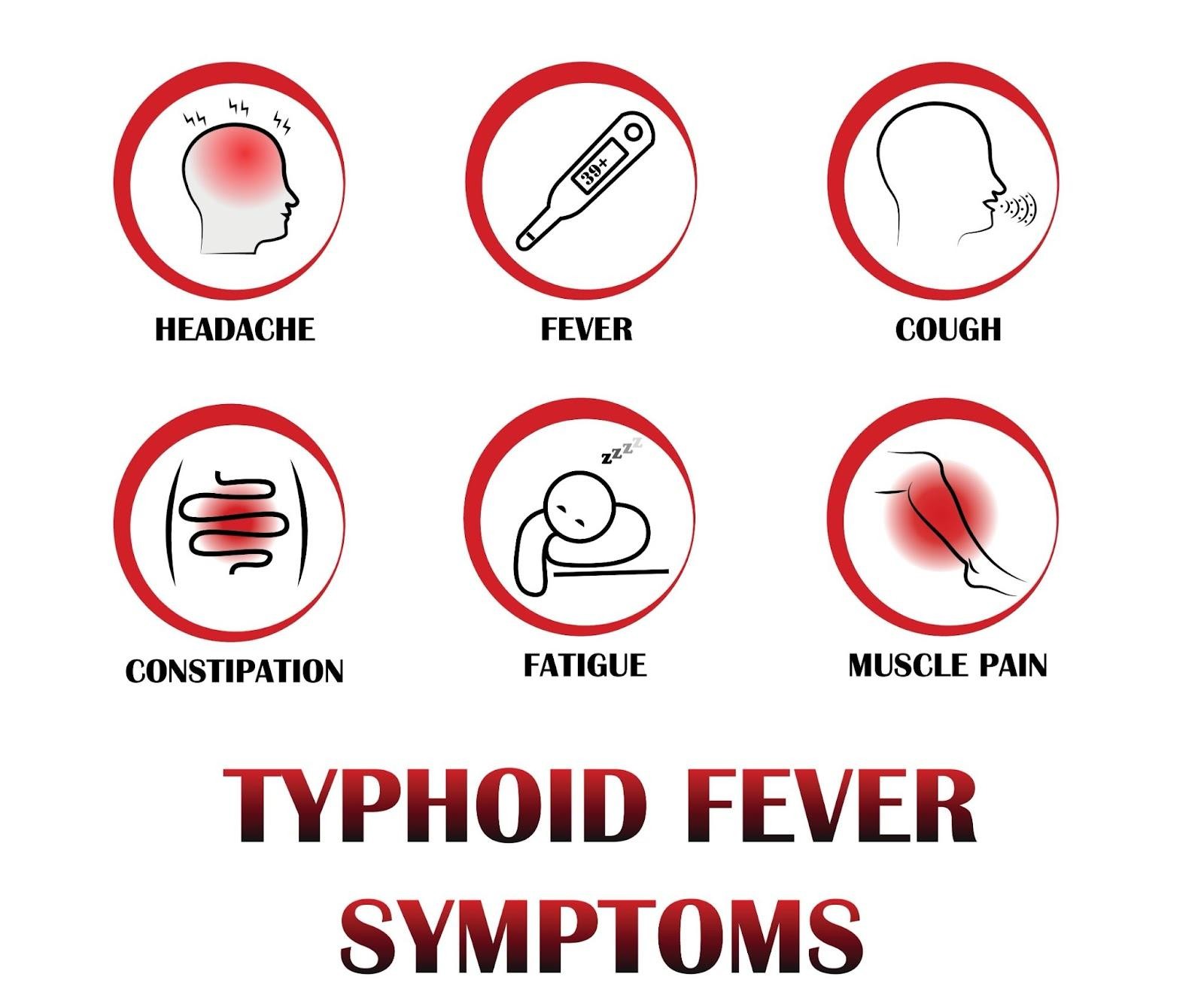
Typhoid symptoms may develop gradually over several days and can worsen if left untreated. Common features include:
Early medical attention is important to reduce the risk of complications and ensure appropriate treatment.
The typhoid vaccine is a preventive vaccine developed to reduce the risk of infection caused by Salmonella Typhi, the bacteria responsible for typhoid fever. It is most commonly recommended for individuals travelling to regions where typhoid remains prevalent, particularly in areas with limited sanitation or higher rates of food and water contamination. Vaccination is an important part of travel health planning, especially for those staying for extended periods or visiting rural locations.
The vaccine does not treat an active typhoid infection or relieve symptoms once illness has developed. Instead, it helps prepare the body in advance, lowering the likelihood of developing typhoid if exposure occurs during travel.
There are different types of typhoid vaccines available, and the choice depends on age, health status and travel plans.
A doctor will recommend the most appropriate vaccine type based on individual needs and travel risk.
The typhoid vaccine works by stimulating the immune system to recognise specific components of Salmonella Typhi. After vaccination, the body produces antibodies and immune memory cells that can respond more quickly and effectively if the bacteria are encountered in the future. This enhanced immune response helps reduce the risk of infection or lessen the severity of illness.
While vaccination provides important protection, it does not guarantee complete immunity. Practising safe food and water hygiene, such as drinking bottled or treated water and avoiding high-risk foods remains essential when travelling to areas where typhoid is common.
Typhoid vaccination is generally recommended for individuals who may be exposed to contaminated food or water in areas where typhoid fever remains prevalent. Risk varies depending on travel destination, duration of stay and type of activities planned.
A doctor can assess your itinerary and health history to determine whether typhoid vaccination is advisable.
Typhoid vaccination is not usually mandatory for entry into most countries. However, it is strongly recommended for travel to destinations where typhoid is endemic. Even when not required by immigration authorities, vaccination provides important protection against a potentially serious illness.
Protection from the typhoid vaccine is not lifelong and varies according to the type received.
For individuals who frequently travel to or reside in high-risk areas, booster doses are important to maintain protection.
Side effects are generally mild and temporary, reflecting the body’s normal immune response to vaccination. These may vary slightly depending on the type of vaccine received.
The typhoid injection is generally well tolerated and causes only mild discomfort for most individuals. You may feel a brief sting or pressure at the injection site when the vaccine is administered.
After the injection, some people experience temporary soreness, mild swelling or redness in the upper arm. This usually settles within a few days without treatment. Serious reactions are rare, and most individuals are able to continue their normal activities shortly after vaccination.
If discomfort persists or if you have concerns after receiving the injection, medical advice should be sought.
Typhoid vaccination is given either as an injection or as an oral capsule course, depending on the type of vaccine selected. The choice depends on age, medical history and travel plans.
Vaccination should be completed at least 1 to 2 weeks before travel. The oral vaccine may not be appropriate for individuals with weakened immune systems and should not be taken alongside certain antibiotics or medications. A doctor will advise on the most suitable option and provide instructions to ensure effective protection.
Typhoid fever is a serious bacterial infection that spreads through contaminated food and water, particularly in regions with limited sanitation. Travellers to higher-risk areas may be exposed through everyday meals or drinking water. The typhoid vaccine provides important preventive protection and is available in both injectable and oral forms, depending on individual suitability. While vaccination significantly reduces the risk of infection, practising safe food and water hygiene remains essential during travel.
If you are planning travel to a region where typhoid is prevalent, schedule a consultation with A1 Medical to receive personalised travel vaccination advice and ensure you are protected before departure.
Vaccination should ideally be completed at least 1 to 2 weeks before departure to allow sufficient time for immunity to develop.
Yes. The typhoid vaccine does not provide complete protection, so practising safe food and water hygiene remains essential while travelling.
Booster timing depends on the type of vaccine received. The injectable vaccine typically requires a booster every 2 to 3 years, while the oral vaccine generally requires a booster every 5 years if ongoing risk continues.
Yes. The injectable vaccine is generally approved for children aged 2 years and above, while the oral vaccine is usually suitable for older children, depending on the product.
In many cases, typhoid vaccination can be administered alongside other travel vaccines. A doctor will advise on appropriate timing based on your itinerary and health history.
If a booster is overdue and you remain at risk, you should consult a doctor before travel to determine the appropriate next step.