CONTACT US


Are you satisfied with our services?
Leave us a review
Quisque vel vestibulum sem, et facilisis ex. Nulla nulla mi.
Write a review

CONTACT US
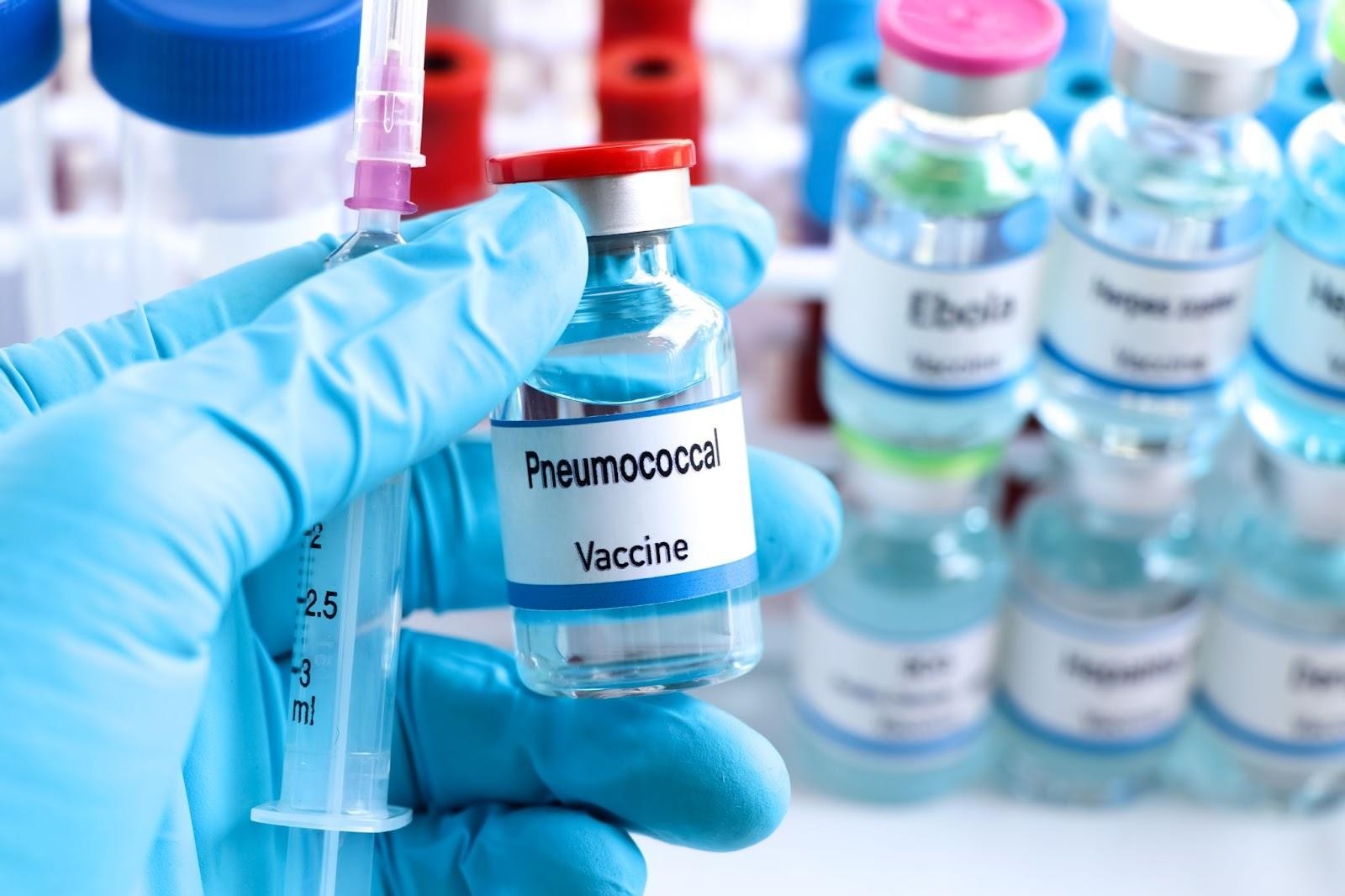
Pneumococcal vaccination helps reduce the risk of severe illness by protecting against common strains of the bacteria, supporting early prevention before infection occurs.
Pneumococcal disease is caused by the bacterium Streptococcus pneumoniae. It can lead to a range of infections, some of which are mild, while others are serious and potentially life-threatening. Common infections include pneumonia, which affects the lungs, as well as ear and sinus infections.
In more severe cases, the bacteria can enter the bloodstream or the central nervous system, causing invasive pneumococcal disease such as bacteraemia and meningitis. These serious forms of infection can progress rapidly and are associated with higher risks of complications, especially in older adults, young children and individuals with weakened immunity.
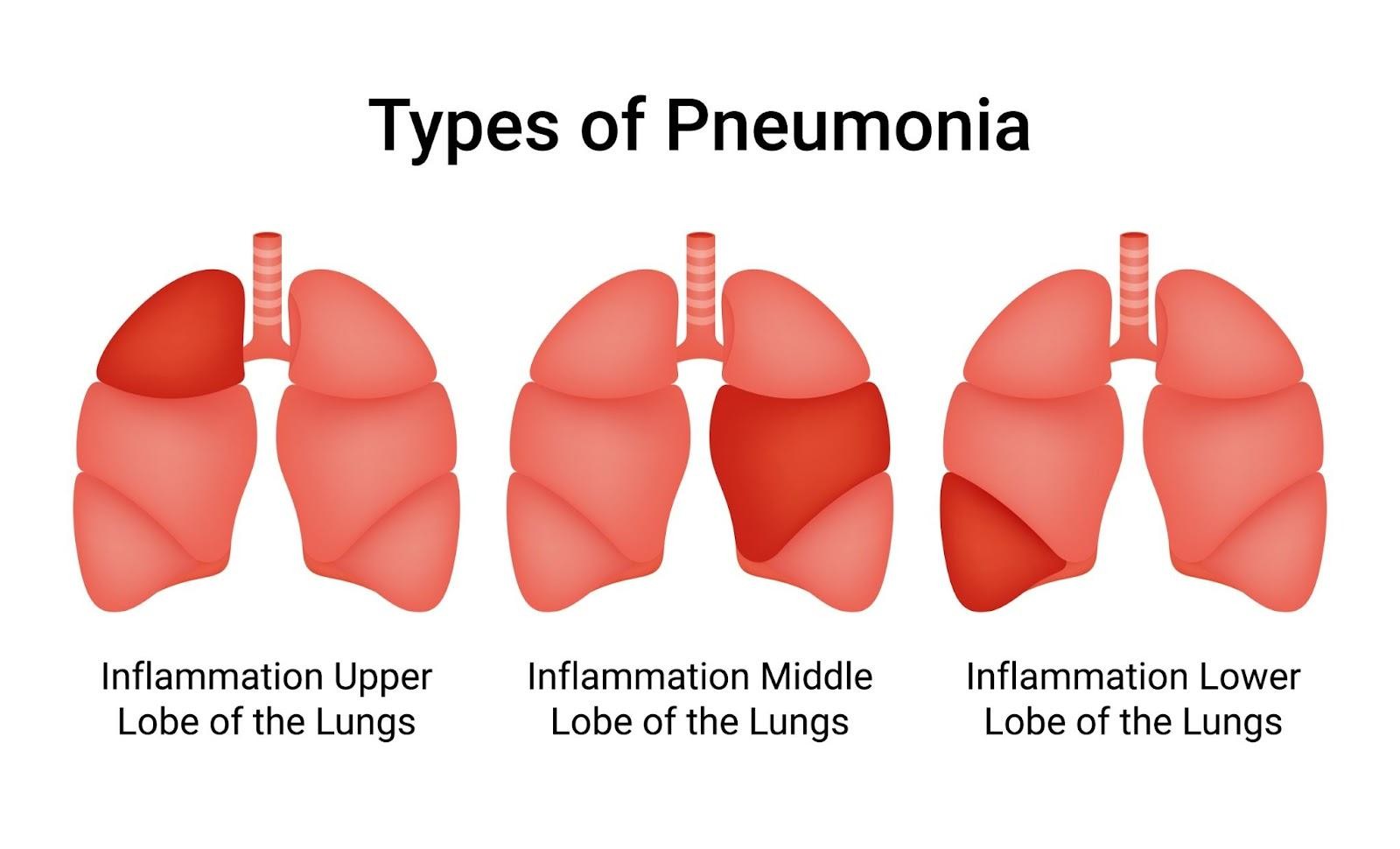
The pneumococcal vaccine is a preventive vaccine designed to protect against infections caused by Streptococcus pneumoniae. It helps reduce the risk of developing serious pneumococcal illnesses before exposure occurs. The vaccine does not treat existing infections or illness but plays an important role in prevention, especially for individuals at higher risk of complications.
Two main types of pneumococcal vaccines are used commonly as protection against pneumococcal disease. Each works slightly differently and may be recommended based on age, health status and individual risk factors.
A doctor will advise on the most appropriate vaccine or combination of vaccines, based on personal health history and vaccination status.
The pneumococcal vaccine works by helping the immune system recognise and respond to pneumococcal bacteria. After vaccination, the body produces antibodies that can identify and fight the bacteria if exposure occurs in the future. This immune response lowers the risk of infection and reduces the likelihood of severe illness and complications.
The pneumococcal vaccine may be recommended for individuals who have a higher risk of developing serious pneumococcal infections or related complications. A doctor can assess whether vaccination is appropriate based on age, health status and personal risk factors.
The pneumococcal vaccine schedule depends on age, overall health and previous vaccination history. Infants usually receive a series of doses starting in early life to provide protection during key stages of immune development. Children who are vaccinated later may require fewer doses.
In adults, vaccination typically involves one or two specific doses, particularly for those aged 65 and above or for individuals with chronic medical conditions. A doctor will advise on the appropriate vaccine type and schedule to ensure effective and long-lasting protection.
The timing and number of pneumococcal vaccine doses depend on age and individual health risk. Vaccination schedules are designed to provide protection at stages of life when the risk of serious pneumococcal infection is higher. A doctor will advise on the most appropriate schedule based on current guidelines and personal medical history.
| Who should receive it | Typical vaccination schedule |
| Babies and young children | An initial dose during infancy, followed by a booster dose around one year of age |
| Adults aged 65 and above | Usually a single dose given from the age of 65 |
| Children and adults at higher risk of serious infection | At least one dose, with some individuals requiring additional or repeat doses depending on medical conditions |
The pneumococcal vaccine is effective in reducing the risk of serious infections caused by pneumococcal bacteria, particularly severe forms such as pneumonia and bloodstream infections.
Widespread pneumococcal vaccination has been associated with lower rates of invasive pneumococcal disease and related complications at the population level. Protection is strongest when vaccination is given according to recommended guidelines and tailored to individual risk factors.
The pneumococcal vaccine has a strong safety record and has been used worldwide for many years. It is carefully studied before approval and continues to be monitored through ongoing safety programmes. Most people tolerate the vaccine well, and medical assessment before vaccination helps ensure it is given safely and appropriately.
Side effects are usually mild and short-lived, occurring as part of the body’s normal immune response to the vaccine.
Medical advice should be sought if symptoms persist, worsen or if any unexpected reactions occur after vaccination.
The pneumococcal vaccine can often be given alongside other vaccines, including the influenza and COVID-19 vaccines. Whether vaccines are administered during the same visit or spaced out depends on individual health factors and vaccination history. A doctor will assess timing and suitability to ensure vaccines are given safely and effectively.
Pneumococcal vaccination is performed during a clinic visit under medical supervision to ensure safety and comfort. The process is straightforward and usually takes only a short time.
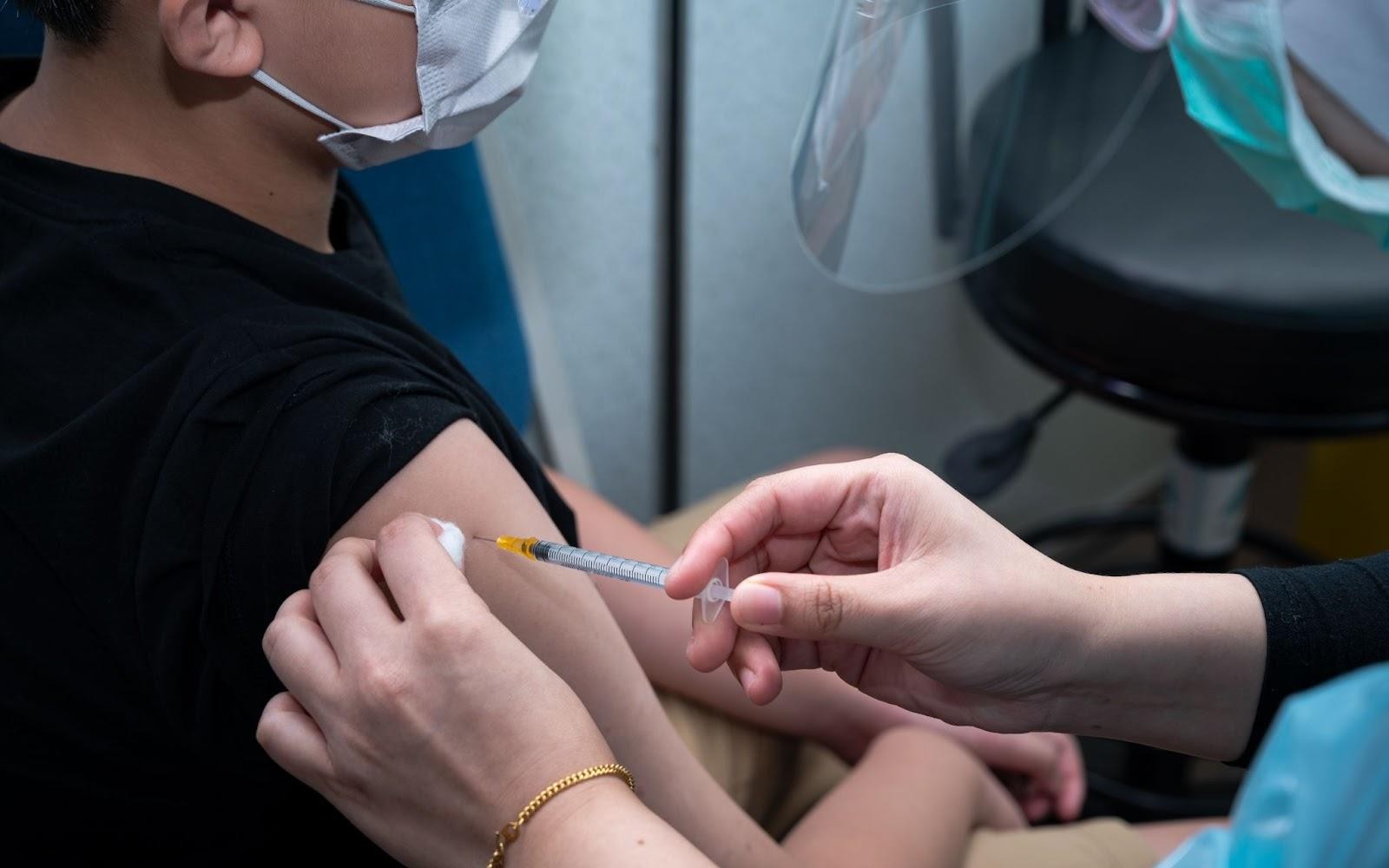
Preparing in advance helps ensure the vaccination is appropriate and tailored to your health needs.
A consultation allows the doctor to provide personalised advice and ensure the vaccine is administered safely.
The pneumococcal vaccine is an important preventive measure that helps protect against serious infections caused by pneumococcal bacteria, including pneumonia and bloodstream infections. When given according to medical advice and appropriate scheduling, vaccination reduces the risk of severe illness, particularly in older adults and individuals with underlying health conditions.
If you are considering pneumococcal vaccination or would like personalised advice based on your age and health history, schedule a consultation with A1 Medical to discuss your vaccination options with a doctor.
Yes. Pneumococcal vaccination is recommended as part of preventive health care in Singapore, particularly for older adults and individuals with certain medical conditions, in line with national immunisation guidance.
Even if you are generally healthy, vaccination may still be recommended based on age or risk factors. A doctor can advise whether pneumococcal vaccination is appropriate for you.
Yes. Chronic conditions such as diabetes or heart disease can increase the risk of serious pneumococcal infection, and vaccination is often advised as part of ongoing medical care.
In many cases, pneumococcal and influenza vaccines can be given during the same visit. A doctor will assess timing and suitability based on your health and vaccination history.
Pneumococcal vaccines provide long-lasting protection, although the duration may vary depending on the vaccine type and individual health factors. Medical advice helps determine if additional doses are needed.
If a dose is missed or delayed, vaccination can usually be continued without restarting the entire course. A doctor will advise on how to complete the schedule safely.
No. Pneumococcal vaccination is not compulsory, but it is strongly recommended for individuals at higher risk of severe illness.