CONTACT US


Are you satisfied with our services?
Leave us a review
Quisque vel vestibulum sem, et facilisis ex. Nulla nulla mi.
Write a review

CONTACT US
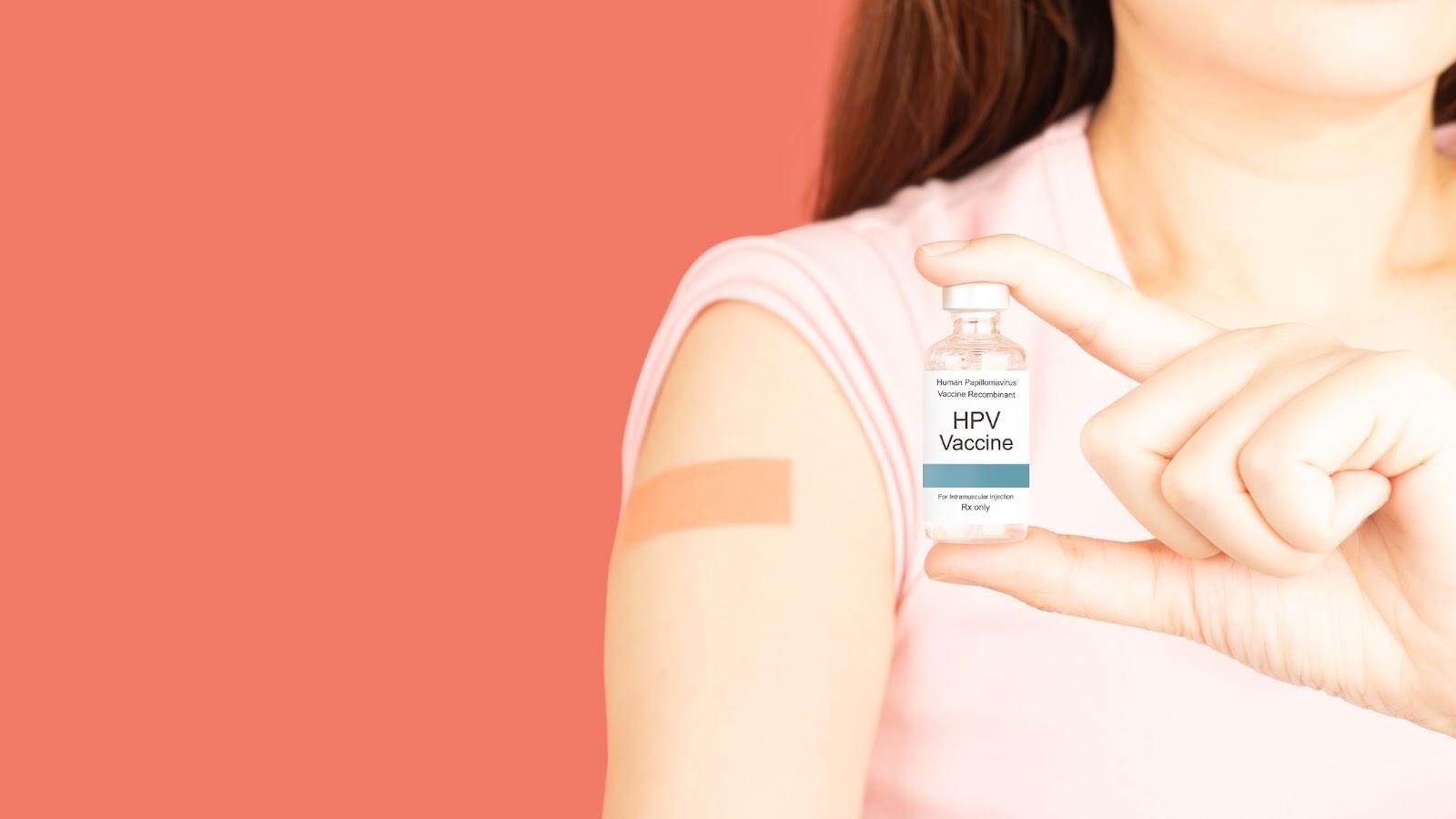
The HPV cervical cancer vaccine helps protect against high-risk HPV types responsible for most cases of cervical cancer. Vaccination, together with regular cervical screening, forms an important part of long-term cervical health.
Human papillomavirus (HPV) is a common group of viruses that can be transmitted through intimate skin-to-skin contact. Most HPV infections resolve on their own without causing harm, but some types can persist in the body over time.
Certain high-risk HPV types are known to cause cervical cancer. When these infections do not clear naturally, they can lead to gradual changes in cervical cells. Over many years, these abnormal changes may progress from precancerous lesions to cervical cancer if not detected or managed early through screening and preventive care.
The HPV cervical cancer vaccine is a preventive vaccine designed to protect against certain types of human papillomavirus (HPV) that are known to cause cervical cancer. By helping the immune system recognise and defend against these high-risk HPV types, the vaccine reduces the likelihood of long-term infection that can lead to cancerous changes in the cervix.
The vaccine does not treat existing HPV infections or cervical cancer, but it plays an important role in prevention when given before exposure to the virus. Medical assessment helps determine when vaccination is appropriate and how it fits into an individual’s overall cervical health care.
The HPV vaccine works by preparing the immune system to recognise and respond to HPV before infection occurs. It helps the body build protection against high-risk HPV types linked to cervical cancer, without causing the disease itself.
The HPV cervical cancer vaccine is recommended as a preventive measure for individuals at different stages of life. Suitability depends on age, medical history and individual circumstances, which is why medical advice is important.
A doctor’s assessment helps determine whether the vaccine is appropriate and advises on the recommended schedule.
The HPV vaccine is often associated with adolescence, but it is not limited to younger individuals. Vaccination can still be considered beyond adolescence, depending on personal health history and risk factors.
Adults may benefit from vaccination, particularly if they have not been exposed to all HPV types covered by the vaccine. Individualised medical advice is important to assess suitability and to determine whether vaccination is likely to be beneficial at different stages of life.
The HPV cervical cancer vaccine is highly effective in protecting against the high-risk HPV types that are responsible for the majority of cervical cancer cases. By preventing persistent infection with these HPV strains, the vaccine significantly lowers the risk of abnormal cervical cell changes that can lead to cancer over time.
Studies have shown that widespread HPV vaccination is associated with a marked reduction in cervical cancer rates and precancerous lesions. To achieve optimal protection, it is important to complete the full recommended course of the vaccine, as this ensures a strong and lasting immune response.
The number of doses required for the HPV vaccine depends on the age at which vaccination is started. Younger individuals may need fewer doses, while those vaccinated at an older age usually require a full course spread over several months.
A doctor will advise on the appropriate schedule and ensure doses are given at the correct intervals.
The HPV vaccine has a strong safety profile and has been used globally for many years. It has been carefully studied before approval and continues to be monitored as part of ongoing vaccine safety programmes.
Extensive research has shown the vaccine to be safe and well-tolerated, with continuous monitoring in place to track effectiveness and rare side effects. Medical guidance helps ensure the vaccine is given appropriately and safely.
The HPV vaccine is generally safe and well-tolerated, with most side effects being mild and short-lived. These reactions are a normal response as the body builds protection against the virus.
Common side effects may include:
Medical advice should be sought if symptoms persist, worsen or if any unexpected reactions occur after vaccination.
HPV vaccination does not replace the need for regular cervical screening. While the vaccine protects against the HPV types most commonly linked to cervical cancer, it does not cover all cancer-causing strains.
Cervical screening remains important for detecting early cell changes, even in vaccinated individuals. Together, vaccination and regular screening provide the most effective approach to long-term cervical health and cancer prevention.
The HPV vaccine can often be administered alongside other vaccines, depending on individual circumstances. Timing and suitability are assessed to ensure vaccines are given safely and effectively.
A doctor’s assessment helps determine whether vaccines can be given during the same visit or whether they should be spaced out, taking into account medical history and current health status.
The HPV vaccine is given during a clinic visit after a brief medical consultation to confirm suitability. The process is straightforward and carried out under medical supervision to ensure safety and comfort.
Most individuals can resume normal activities shortly after the appointment unless otherwise advised.
Preparing for your appointment helps ensure the vaccination process is smooth and appropriate for your needs.
A consultation allows the doctor to provide personalised advice and ensure vaccination is carried out safely.
The HPV cervical cancer vaccine is an important preventive measure that helps protect against high-risk HPV types linked to cervical cancer. When given at the appropriate time and completed according to the recommended schedule, vaccination significantly reduces long-term cancer risk and supports cervical health, especially when combined with regular screening.
If you are considering HPV vaccination or would like personalised advice based on your age and health history, contact A1 Medical to schedule a consultation with a doctor.
Yes, the HPV cervical cancer vaccine may still offer protection, depending on prior exposure and individual health factors.
The HPV cervical cancer vaccine does not treat existing abnormalities but may protect against other high-risk HPV types.
The HPV cervical cancer vaccine is recommended as part of cervical cancer prevention, alongside regular screening.
Even with prior HPV exposure, the HPV cervical cancer vaccine may still provide protection against other strains.
There is no evidence that the HPV cervical cancer vaccine affects fertility or the ability to conceive later.
Yes, the HPV cervical cancer vaccine can be administered during menstruation if there are no other medical concerns.
The HPV cervical cancer vaccine provides long-lasting protection, with studies showing sustained immunity over many years.
The HPV cervical cancer vaccine is optional, but strongly recommended as part of preventive women’s health care.
Delays can occur, but the HPV cervical cancer vaccine schedule should be completed as advised by a doctor.
Yes, regular cervical screening remains essential even after receiving the HPV cervical cancer vaccine.